Introduction
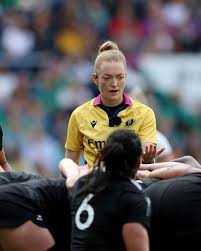
Hollie Davidson has emerged as a significant figure in the world of rugby refereeing, becoming one of the most distinguished female referees in the sport. Her journey is not only inspiring but also represents a pivotal moment for equality in rugby officiating, highlighting the need for diverse representation in sports. As Davidson continues to break new ground, her story resonates with many aspiring referees and athletes around the globe.
Professional Milestones
Hollie Davidson made history in 2020 when she became the first woman to officiate a men’s match in Scotland’s top-level league. This landmark position brought her into the spotlight, demonstrating her skills and integral role in the game. Since then, she has officiated a range of high-profile fixtures, including at the national level and even at international tournaments, where her expertise has been acknowledged by coaches and players alike.
In 2021, Davidson’s career took another leap forward as she was selected for the officiating team at the Women’s Rugby World Cup in New Zealand, further escalating her global profile. The inclusion showcased the Rugby World Cup’s commitment to gender equality and diversity, aligning with increasing calls across all sports to support women in officiating roles. Davidson’s presence at such high-stakes tournaments proves not only her skill but also serves as an inspiration for young women looking to carve a path in a traditionally male-dominated field.
Challenges and Triumphs
Like many trailblazers, Hollie Davidson faced numerous challenges along her journey. As she stepped into the role of a referee, she encountered skepticism and bias, both within and outside the sport. However, her resolute spirit and professionalism helped her to overcome these hurdles, ultimately earning respect and admiration in the rugby community. Davidson’s story is a testament to resilience and the importance of representation.
Significance of Davidson’s Role
Hollie Davidson’s increasing prominence in rugby refereeing marks a crucial shift in the sport’s culture. Through her work, she is not only changing perceptions of women in officiating roles but also contributing to a broader movement for gender equality in sports. Her success encourages sports organisations to prioritise diversity and inclusion, showing that the game is richer and more representative when everyone has a seat at the table.
Conclusion
As Hollie Davidson continues to excel in her refereeing career, she is undoubtedly paving the way for future generations of female referees and athletes. Her journey illustrates the impact of representation and the ongoing fight for equality in sports. With growing support for women in officiating roles, Davidson’s story is not just about personal achievement; it signals a transformative moment for rugby and serves as motivation for aspiring referees worldwide. The future of rugby officiating looks bright, and Hollie Davidson is at the forefront of this change.