Three states are bracing for heavy snow and strong winds, with some areas expecting up to two feet of snow. The National Weather Service has issued winter weather advisories for Colorado, Wyoming, and Montana, warning residents of dangerous conditions.
In Colorado, the forecast predicts between 5 and 12 inches of snow in central and western regions. Areas in the south central part could see 5 to 10 inches. Wyoming is also expecting significant snowfall, with estimates ranging from 6 to 12 inches in the south central and southeastern regions. Meanwhile, Montana could receive up to 6 inches in the north central area.
The situation is compounded by strong winds. In Colorado, gusts may reach up to 45 mph, while some places might experience even stronger winds at 55 mph. These conditions will likely create travel difficulties due to blowing snow and reduced visibility.
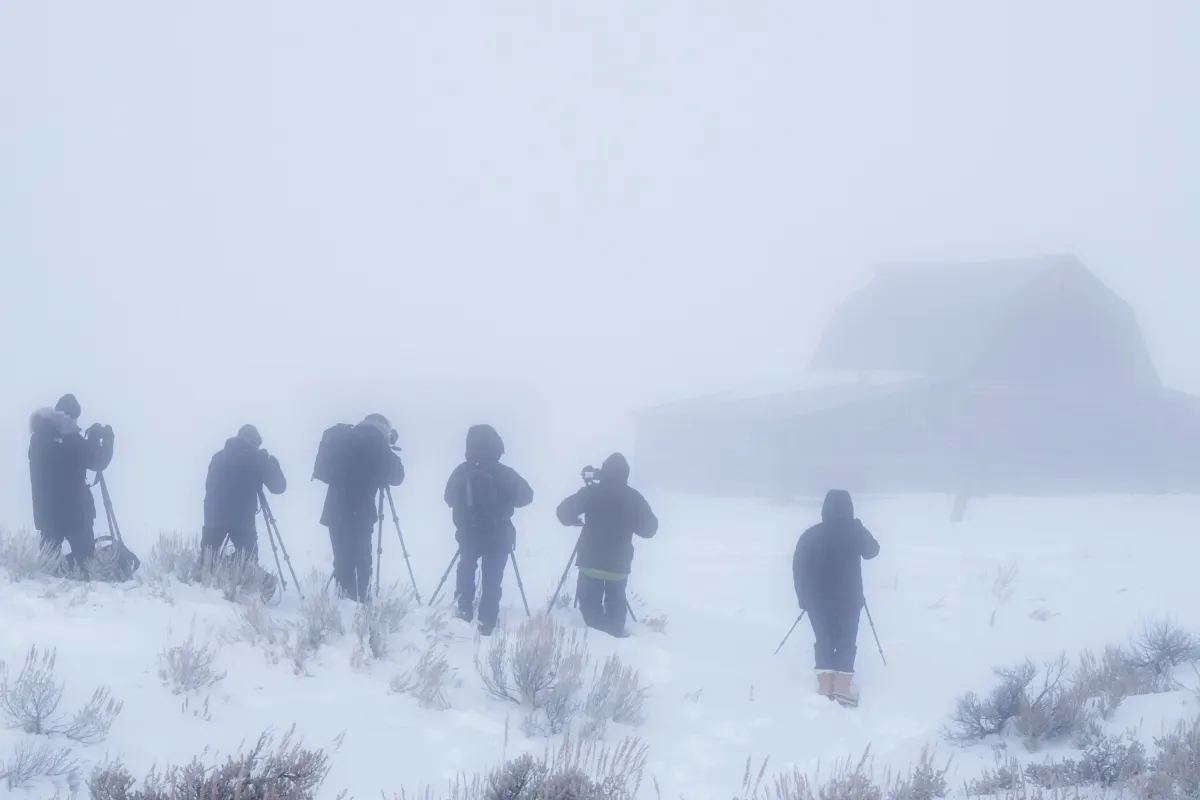
Officials urge drivers to prepare for slippery road conditions. “Visibility will be reduced due to blowing snow,” a spokesperson from the National Weather Service stated. They warned that outdoor activities could become dangerous as a result of these winter weather advisories.
Historically, this part of the Mountain West region faces challenging winter storms. Residents know that such warnings often lead to significant inconveniences—like school closures and hazardous travel routes. Local communities are already gearing up for the impact.
As people stock up on essentials and check their heating systems, many are sharing their concerns online. “I’m worried about getting stuck on my way to work,” said Maria Lopez from Fort Collins. Her anxieties reflect a sentiment echoed by many who live in these snowy areas.
With forecasts predicting heavy snowfall across multiple states, officials continue to monitor the situation closely. They remind everyone that safety should be a priority during these winter storms.
As the storm approaches, residents are advised to stay updated with local news and heed any warnings from authorities. The National Weather Service emphasizes that these winter weather advisories are issued when conditions could cause hazardous travel—something everyone should take seriously.