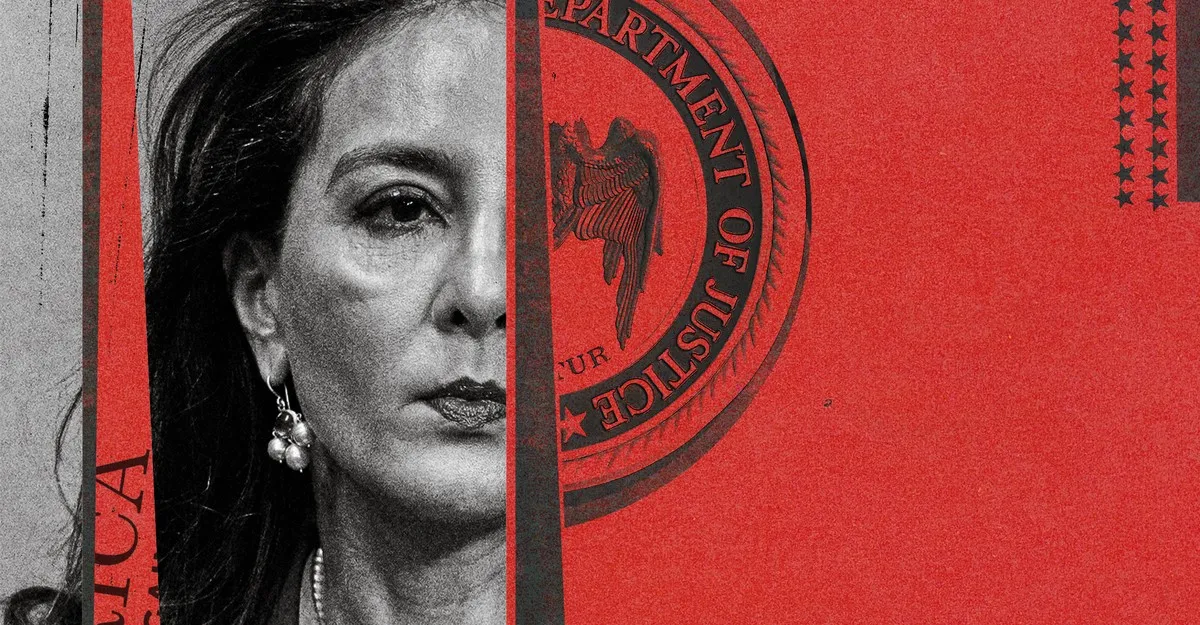
The Civil Rights Division has historically been responsible for protecting and defending people in positions of powerlessness. However, under the leadership of Harmeet Dhillon, the division has undergone a significant transformation that has drawn both support and criticism. Appointed during the Trump administration, Dhillon has been vocal about her vision for the division, emphasizing a departure from what she terms “woke ideology” in favor of strict enforcement of federal civil rights laws.
Recent developments have highlighted the contentious atmosphere within the Civil Rights Division. Reports indicate that nearly 400 of the 700 staff members had left the division by January 2025, with a staggering 76 percent of employees in leadership roles having departed. This mass exodus has raised concerns about the division’s ability to fulfill its mission effectively. Dhillon’s approach has been characterized by a desire to reshape the division fundamentally, which she believes is necessary for a reformation of civil rights enforcement.
In a statement reflecting her vision, Dhillon remarked, “Under President Trump’s leadership, we have a generational opportunity for a reformation.” Her commitment to this vision has been met with skepticism from various quarters, particularly given the significant turnover within the division. Critics argue that such a drastic reshaping could undermine the very purpose of the Civil Rights Division, which is to protect the rights of marginalized groups.
Adding to the scrutiny surrounding Dhillon’s leadership is the recent investigation by the Department of Justice into an alleged assault against journalist Savanah Hernandez during a protest. The incident resulted in the arrest of three individuals for the assault, along with a fourth person charged with obstruction against a deputy officer. Dhillon has publicly acknowledged the investigation, retweeting a post that confirmed the FBI’s involvement.
Dhillon’s leadership has not only led to staff departures but has also seen the termination of key initiatives aimed at improving conditions in communities. Notably, she ended a settlement designed to enhance sanitation in Lowndes County, Alabama, a decision that has drawn criticism from advocates who argue that it neglects the needs of vulnerable populations.
As the Civil Rights Division continues to navigate these challenges, observers are closely watching the implications of Dhillon’s policies. Some officials predict that the ongoing investigations and staff turnover may lead to a reevaluation of the division’s priorities and practices. The future of civil rights enforcement in the United States hangs in the balance as the division grapples with its identity and mission.
In light of these developments, it remains to be seen how Dhillon’s vision will shape the future of the Civil Rights Division. With significant changes already underway, the community is left to ponder the long-term effects of her leadership on civil rights protections across the nation. Details remain unconfirmed regarding potential reforms or shifts in strategy that may arise from the current investigations and staff dynamics.