Introduction
Guangzhou, the capital of Guangdong Province in Southern China, has emerged as a significant global city over the past few decades. As a major economic, political, and cultural hub, its influence continues to grow on both a national and international scale. With its strategic location, bustling trade activities, and rich history, Guangzhou is not only vital to China’s economic landscape but also to global commerce, making it pertinent to understand the ongoing developments in this remarkable city.
Economic Growth and Development
Guangzhou is known as one of China’s four first-tier cities, alongside Beijing, Shanghai, and Shenzhen. According to the Guangzhou Statistics Bureau, the city’s GDP reached approximately CNY 2.5 trillion (around USD 370 billion) in 2022, marking a year-on-year growth of 6.3%. This impressive performance can be attributed to its robust manufacturing sector, advances in technology, and the emergence of finance and trade sectors.
The city is home to the largest port in South China, which plays a crucial role in international trade. The Canton Fair, held biannually, is the largest trade fair in China and attracts thousands of exhibitors and buyers from around the world, reinforcing Guangzhou’s status as a key trading gateway.
Cultural Significance
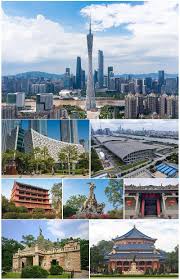
Culturally, Guangzhou has a rich history dating back over 2,200 years. It is renowned for its unique Cantonese cuisine, vibrant arts scene, and historic architecture. Cultural landmarks such as the Chen Clan Ancestral Hall, the Temple of the Six Banyan Trees, and the modern Canton Tower showcase the city’s blend of traditional and contemporary influences.
In recent years, Guangzhou has hosted various international events, such as the Asia Games and the International Financial Forum, which have further solidified its reputation on the global stage. Moreover, the city’s diverse population contributes to its multicultural environment, making it a fascinating place for both residents and visitors.
Challenges and Future Prospects
Despite its rapid growth and development, Guangzhou faces various challenges, including environmental concerns, overcrowding, and the need for sustainable urban planning. The city government has launched several initiatives aimed at addressing these issues, with a focus on green technology and enhancing public transport.
Looking ahead, Guangzhou’s future appears promising. With ongoing investments in infrastructure, innovation, and education, the city is likely to continue its trend of growth and become an even more significant player on the global stage. As businesses and individuals alike explore the opportunities that this bustling metropolis has to offer, Guangzhou represents the essence of modern China.
Conclusion
In conclusion, Guangzhou’s rapid advancements in various sectors highlight its importance in both national and global contexts. As the city continues to evolve, residents and international observers alike should keep a close eye on its developments, which are likely to influence trends in commerce, culture, and urban living for years to come.



