Introduction
The ongoing tensions between Greece and Turkey have significant geopolitical implications and continue to capture international attention. As both nations are members of NATO, their disputes over territorial waters, airspace, and historical grievances raise concerns about regional stability.
Historical Context
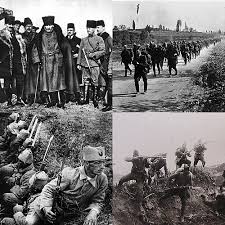
The roots of the Greece vs Turkey conflict can be traced back to the early 20th century, notably the Greco-Turkish War of 1919-1922, which led to significant population exchanges and territorial changes. More recently, issues have flared over the divided island of Cyprus, which has been an ongoing point of contention since the Turkish invasion in 1974.
Key Issues
The primary issues in the current Greece vs Turkey disputes include:
- Maritime Boundaries: Both countries have competing claims over the Aegean Sea, particularly regarding territorial waters and continental shelves.
- Airspace Violations: Frequent incidents involve Turkish military aircraft entering Greek airspace, leading to tension and near confrontations.
- Cyprus: The unresolved status of Cyprus remains a sticking point, complicating relations and diplomatic efforts.
Recent Developments
In the past year, the tensions between Greece and Turkey have escalated due to various incidents. In early 2023, Turkey conducted naval exercises near contested waters, prompting Greece to issue heightened alerts. Both countries have also engaged in a spate of diplomatic exchanges, with some attempting to de-escalate tensions; however, nationalist narratives can complicate these efforts.
Further complicating the situation are the interests of external powers. The United States, European Union, and Russia often seek to influence the dispute, as these nations value Greece and Turkey as strategic allies. The recent warmer relations between Turkey and Russia also raise eyebrows in Athens.
Conclusion
The future of Greece vs Turkey relations remains uncertain as both nations continue to navigate complex historical grievances and current geopolitical challenges. While periodic efforts are made to hold talks and improve relations, nationalist sentiments and ongoing disputes suggest that tensions are unlikely to subside fully in the immediate future. Observers remain cautious, understanding that any escalation could disrupt broader regional stability and have repercussions for NATO’s cohesion.