Introduction
Graz, the capital of Styria in Austria, is gaining recognition as a cultural and educational hub. Home to over 300,000 residents, it is renowned for its stunning architecture and rich history, making it a significant destination for tourists and scholars alike. Its designation as a UNESCO World Heritage site reflects its importance in European cultural heritage and provides a compelling backdrop for discussions about urban development, tourism, and sustainability.
A Cultural and Historical Hub
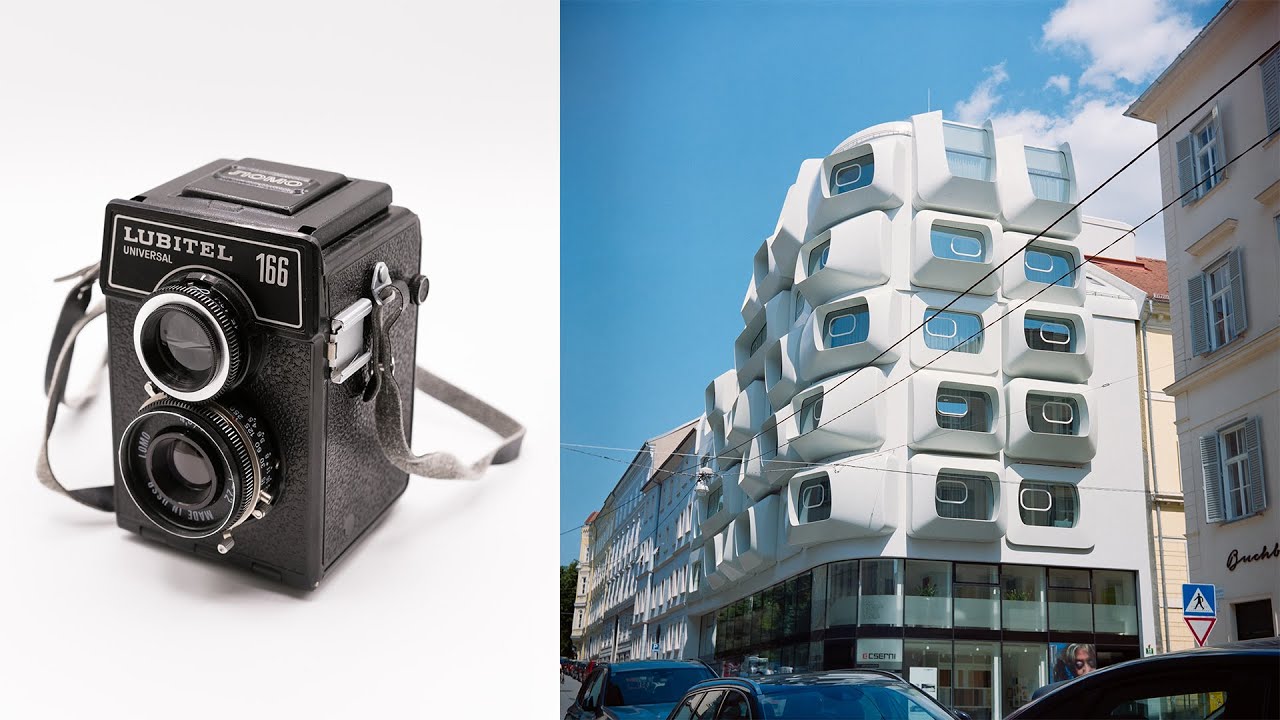
Founded over a millennium ago, Graz boasts a striking blend of Gothic, Renaissance, and Baroque architecture. The most well-known landmark, the Schlossberg, offers visitors breathtaking views from its hilltop fortress. Recently, Graz has embraced its historical roots while integrating modern structures, such as the Kunsthaus Graz, a contemporary art museum often referred to as the “Friendly Alien” due to its unique futuristic design.
In 2023, Graz witnessed a surge in international events, including the Graz Festival of Arts, which attracted artists and performers from around the globe. This festival further showcases the city’s vibrant arts scene and commitment to cultural exchange. In response to their growing reputation, local businesses have become more invested in developing sustainable tourism practices, ensuring that the influx of visitors benefits the community.
Education and Innovation
Notable for its educational institutions, Graz is home to several renowned universities, including Karl-Franzens-University. This esteemed environment draws thousands of international students, enhancing the city’s diversity and innovation. The local government is actively promoting research initiatives that address technological advancements and sustainability, solidifying Graz’s status as a breeding ground for new ideas. In a recent report, Graz was highlighted as one of the top cities in Europe for quality of life, demonstrating that this combination of culture and education is a significant draw for both residents and visitors.
Conclusion
As Graz continues to evolve, its historical significance and commitment to sustainability make it a compelling case study for cities worldwide. With upcoming events in 2024 and beyond, including further expansions in cultural initiatives and international collaborations, Graz is set to enhance its position as a leading cultural capital in Europe. For tourists, scholars, and residents alike, Graz represents not only an opportunity for exploration but also a template for merging history with modernity in an increasingly globalised world.