GLP-1 receptor agonists are making a significant impact on weight loss and the management of type 2 diabetes, providing new hope for many patients struggling with these chronic conditions. These medications not only assist in achieving weight loss but are also instrumental in helping individuals manage their blood sugar levels effectively.
Type 2 diabetes is a chronic metabolic disease that, while it can enter remission, is not considered curable. Current medical guidelines define remission as having an A1C level below 6.5 percent for at least three months without the use of glucose-lowering medications. Many patients using GLP-1 receptor agonists have reported achieving normal or near-normal glucose levels, showcasing the potential of these treatments.
However, it is important to note that insulin resistance and excess adiposity often continue to persist in patients with type 2 diabetes, even when their blood sugar levels improve. This highlights the complexity of managing the disease and the need for comprehensive treatment plans.
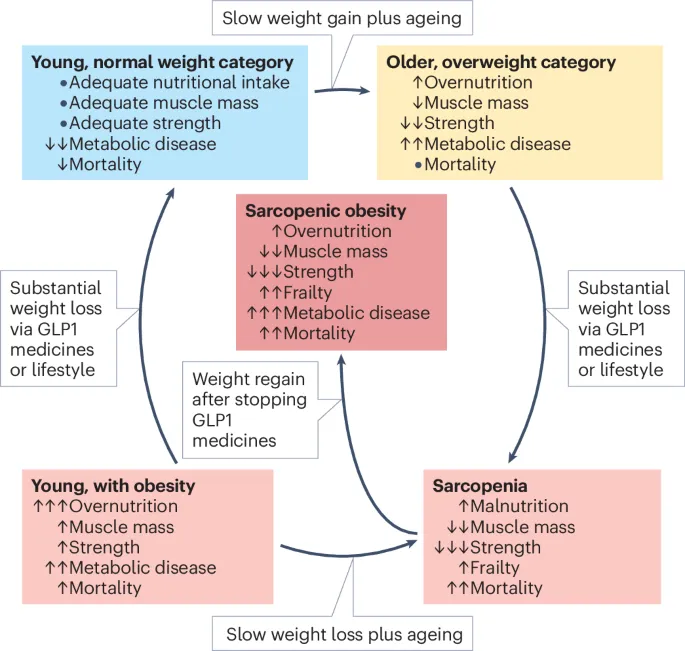
One of the benefits of using GLP-1 medicines is that weight loss does not lead to a disproportionate loss of muscle mass or function in obese individuals. This is particularly crucial as frailty, characterized by specific biomarker patterns reflecting inflammation or muscle catabolism, can complicate health outcomes in multi-morbid patients.
Moreover, aging is associated with diminished muscle re-growth and myogenic precursor cell expansion after periods of immobility-induced atrophy. This underscores the importance of maintaining muscle health while managing weight and diabetes.
As the medical community continues to explore the full potential of GLP-1 receptor agonists, further developments are expected. Researchers are investigating how these medications can be optimized for various patient populations and what long-term effects they may have on overall health.
Details remain unconfirmed regarding the long-term implications of GLP-1 receptor agonists, but their current impact on weight loss and diabetes management is undeniably significant. As more individuals gain access to these treatments, the hope is that we will see improved health outcomes across communities.