Introduction
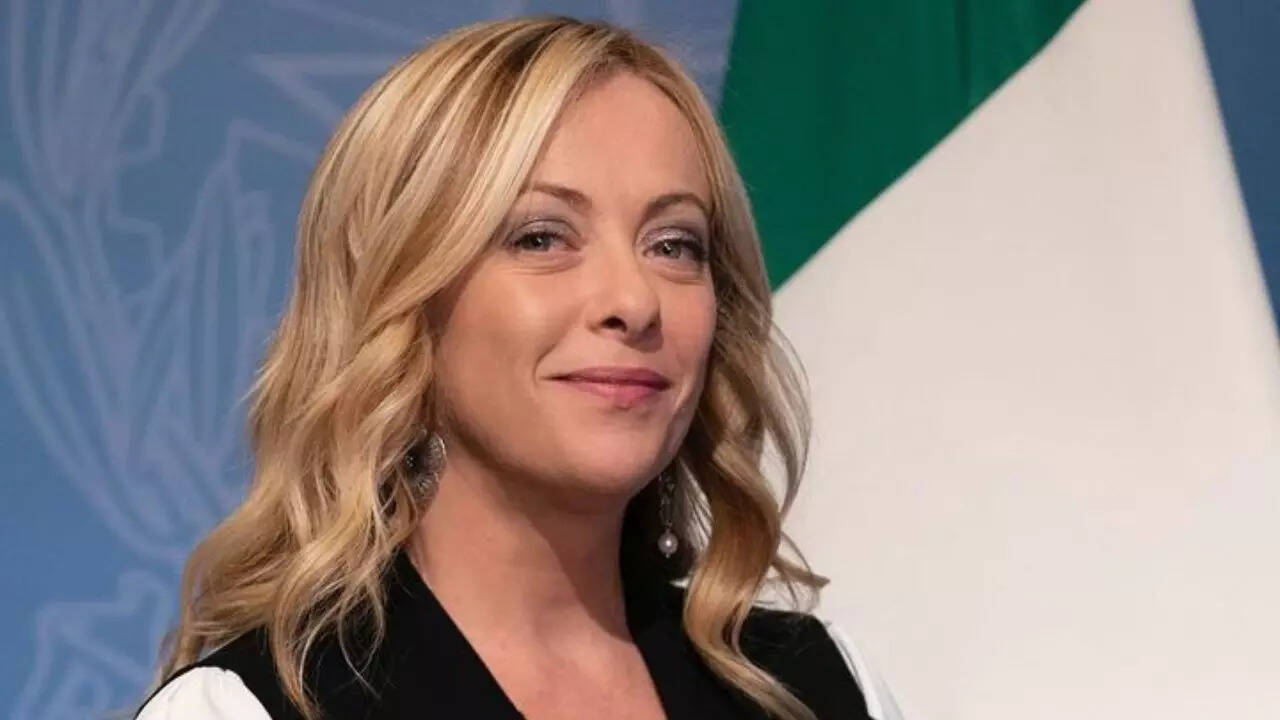
Giorgia Meloni has become a pivotal figure in Italy’s political landscape since her election as Prime Minister in October 2022. As the leader of the right-wing Brothers of Italy party, her rise to prominence marks a significant shift in Italian politics, resonating with voters concerned about issues like immigration, economic recovery, and national identity. Understanding her policies and the implications of her leadership is crucial for those following European political developments.
Political Background
Giorgia Meloni has been active in politics since her teenage years and co-founded the Brothers of Italy in 2012. Her party traces its roots to the Italian Social Movement, a post-fascist party; however, Meloni has consistently sought to distance the party from its past, branding it instead as a defender of traditional Italian values and sovereignty. Meloni’s political journey reflects a broader trend of rising right-wing populism in Europe, mirroring similar movements in France, Hungary, and elsewhere.
Key Issues and Policies
Since assuming office, Meloni has focused on several key areas that resonate with her base. Her government has taken a hard stance on immigration, advocating for stricter border controls and measures to curb illegal migration. Additionally, Meloni has emphasised the importance of energy independence, particularly in the wake of challenges posed by the Russia-Ukraine war, which has significantly impacted energy prices across Europe.
Recent Developments
In the latest developments, Meloni’s administration has faced ongoing challenges, including a rising cost of living, which has sparked protests in various cities across Italy. In response, she recently announced a series of financial aid measures aimed at supporting low-income families and small businesses affected by economic strain. Furthermore, she has also indicated a willingness to work with European Union partners to address common challenges, even as her party’s nationalist rhetoric often critiques EU policies.
Conclusion
Giorgia Meloni’s leadership represents a significant turning point for Italy. As she navigates the complexities of governing amidst economic challenges and populist sentiments, her policies will likely have lasting implications for both Italy and the European Union. Analysts suggest that Meloni’s approach may inspire similar political movements across Europe as national identity and sovereignty issues continue to dominate discourse. For readers interested in global politics, following Meloni’s developments will be essential as they reflect broader trends and shifts within the political landscape of Europe.