Introduction
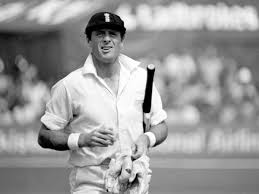
Geoffrey Boycott, a name synonymous with English cricket, has left an indelible mark on the sport over his illustrious career. Celebrated for both his aggressive batting style and his steadfast approach at the crease, Boycott is not only a legend of the game but also a significant figure in the history of cricket. His relevance in today’s cricketing world continues as young players and enthusiasts look to his methods and techniques.
Career Highlights
Born on October 21, 1940, in Brooklands, England, Boycott stepped into the international spotlight in the 1960s. Over a career that spanned more than 20 years, he made 158 international appearances for England, scoring 8,114 runs at an average of 47.72 in Tests. He was the first English player to achieve 8,000 Test runs, a milestone that attests to his consistency and skill.
Boycott’s batting and mental approach to the game often drew attention. Known for his watchfulness and determination, he famously declared, ‘You can’t put a price on your wicket.’ His contributions were vital during England’s Ashes victories in 1970-71 and 1981, establishing him as a cornerstone of the team.
Legacy and Influence
Beyond statistics, Boycott’s influence on the game extends to his role as a cricket commentator and analyst. His distinctive voice and no-nonsense approach to commentary made him a recognised figure on television, where he dissected matches with an analytical eye. His insights often bridge the gap between technical expertise and the passion fans have for the game.
In recent years, Boycott’s comments on modern play style, player fitness, and the increasing impact of technology in cricket have sparked discussions within cricketing circles. His opinions may be considered controversial at times, but they reflect a deep understanding of the game honed through decades of experience.
Conclusion
Geoffrey Boycott remains one of the most polarising yet respected figures in English cricket. As the sport continues to evolve with new players and techniques, his legacy persists as a reminder of batting excellence and dedication. Young cricketers should look to Boycott not only for his record but also for his approach to adversity and resilience. As we celebrate the greats of cricket, Boycott’s name stands proudly among them, solidifying his place in the history of the sport.