Who is involved
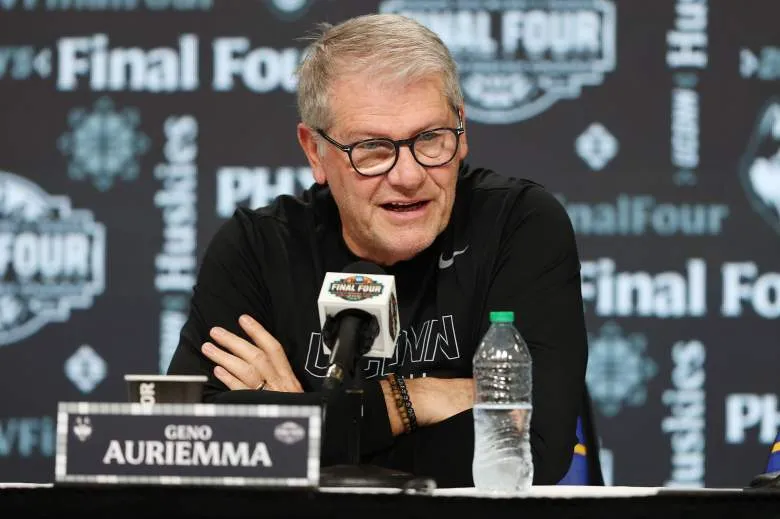
In the world of women’s college basketball, few names resonate as powerfully as Geno Auriemma. As the head coach of the University of Connecticut (UConn), Auriemma has built a legacy that includes 12 national championships, the most of any college basketball coach, male or female. His coaching prowess has set a high standard in the sport, one that others strive to meet. However, the landscape of coaching salaries has shifted dramatically, particularly with the emergence of coaches like Dawn Staley of South Carolina, who became the highest-paid coach in women’s college basketball history in January 2025.
Before the recent developments, Auriemma’s salary was seen as a benchmark in women’s college basketball. His base salary stood at $400,000 per year, with a total contract value of $18.7 million over five years. This was a respectable figure, especially in a sport that has historically lagged behind men’s basketball in terms of financial investment and recognition. Yet, as the sport has grown and garnered more attention, the expectations surrounding coaching salaries have evolved.
The decisive moment came when Staley’s contract was announced, setting her base salary at $4.25 million for the 2025-26 season. This not only positioned her as a leader in the financial aspect of coaching but also sparked conversations about equity and recognition within women’s sports. Auriemma’s reported salary for the 2025-26 season is now $3.54 million, a significant increase from his previous earnings, but still trailing behind Staley’s. The contrast highlights the changing dynamics in coaching salaries and the increasing value placed on women’s basketball.
The direct effects of these salary shifts are multifaceted. For Auriemma, the increase in his compensation reflects the growing recognition of his contributions to the sport, but it also raises questions about the competitive landscape. As Staley and other coaches push the boundaries of salary expectations, Auriemma’s position as a coaching icon is both celebrated and scrutinized. The financial stakes are higher than ever, with bonuses like the $250,000 he earned for reaching the Final Four in 2026 further emphasizing the performance-based nature of coaching contracts.
Experts in sports management have noted that these changes in salary structures are indicative of a broader trend within women’s sports. As more attention and resources are directed toward women’s athletics, the financial compensation for coaches is likely to continue to rise. Dawn Staley herself remarked, “UConn has been the standard in women’s basketball for a very long time, and everyone has to measure up to their standard.” This statement not only acknowledges Auriemma’s legacy but also underscores the competitive nature of the coaching profession.
As the landscape of women’s college basketball continues to evolve, the implications of these salary changes extend beyond individual coaches. They reflect a growing recognition of the value of women’s sports and the importance of equitable compensation. Auriemma’s salary, while substantial, is now part of a larger conversation about fairness and investment in women’s athletics.
In conclusion, the recent developments surrounding Geno Auriemma’s salary illustrate the shifting dynamics within women’s college basketball. As coaches like Dawn Staley redefine the financial landscape, Auriemma’s legacy remains a cornerstone of the sport, even as the expectations and standards continue to rise. The future of women’s basketball looks promising, with increased visibility and investment paving the way for further advancements in the sport.