Introduction
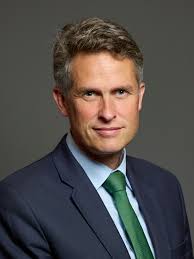
Gavin Williamson, a prominent figure in British politics, has stirred discussions in recent months following his resignation from the Cabinet in 2022. His journey has been one marked by significant milestones, controversies, and a commitment to public service. Understanding his recent roles and the implications of his political actions is crucial for grasping the current landscape of UK governance.
Political Background
Gavin Williamson was first elected as the Member of Parliament (MP) for South Staffordshire in 2010. His rise within the Conservative Party was swift, with him holding various ministerial positions over the years, including Secretary of State for Education and Secretary of State for Defence. His leadership at the Ministry of Defence was notable, especially during a period of intense global conflict and budget scrutiny.
Recent Developments
In late 2022, Williamson faced scrutiny surrounding allegations of bullying, which led to his resignation from the Cabinet. Since then, he has faced a challenging environment, both from the media and within the Conservative Party. His absence from key roles has prompted discussions about his future in politics, with some speculating on a potential return in the forthcoming elections.
Public Reaction
The public response to Williamson’s political journey has been mixed. Supporters highlight his dedication to education and defence, while critics point to the controversies that have overshadowed his achievements. Polls indicate that his approval ratings have fluctuated significantly, reflecting the divided opinion among constituents and party members. This dichotomy illustrates the challenges faced by politicians in maintaining a favourable public image amidst ongoing scrutiny.
Conclusion
As Gavin Williamson navigates the complexities of public life following his resignation, the question remains: what does the future hold for this controversial yet influential politician? With upcoming elections on the horizon, Williamson’s strategies and decisions in the coming months will be pivotal, not only for his career but also for the Conservative Party’s attempt to regain the trust of the electorate. For readers, staying informed about Williamson’s re-emergence and the evolving political landscape will be crucial as it shapes the future of governance in the UK.