Introduction
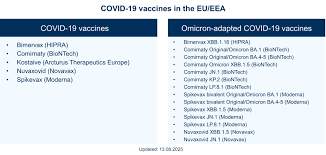
The COVID-19 pandemic has had a profound impact on global health and economies, prompting unprecedented efforts in vaccine development and distribution. As we look towards 2025, the evolution and advancements in COVID vaccines remain crucial in managing viral outbreaks and ensuring community immunity. This article explores the current state of COVID vaccine research and anticipated developments by 2025.
Current Landscape of COVID Vaccines
Vaccination against COVID-19 has been transformative, with numerous vaccines being administered worldwide since their introduction in late 2020. As of October 2023, the World Health Organization reports that more than 13 billion doses have been given, contributing significantly to reducing severe illness and mortality associated with the virus. Research is ongoing, with vaccine developers working on ensuring longer-lasting immunity and addressing emerging variants.
Advancements Anticipated for 2025
Looking ahead to 2025, experts predict a range of advancements in COVID vaccine technology. Developments could include:
- Updated Formulations: New vaccine formulations may be tailored to provide broader protection against emerging SARS-CoV-2 variants.
- Universal Vaccines: Researchers are working on vaccines that could provide protection against multiple strains of coronaviruses, which would be a game changer in pandemic preparedness.
- mRNA Technologies: The success of mRNA vaccines in COVID-19 has spurred further research into mRNA technology for other infectious diseases and even cancer therapies.
- Enhanced Distribution: Improved logistics and distribution networks are expected to make vaccines more accessible, especially in developing regions.
Global Health Strategies
As governments and health organisations prepare for potential future pandemics, the importance of vaccination strategies is being reinforced. The Global Vaccine Action Plan (GVAP) aims to ensure equitable distribution and access to vaccines across all nations, particularly those that have been underrepresented in previous vaccination campaigns.
Conclusion
By 2025, the landscape of COVID vaccination will likely be marked by technological advancements and enhanced strategies for global health equity. The lessons learned during the COVID-19 pandemic have prompted a renewed focus on vaccine development, which is essential in preventing future outbreaks. Readers can expect these innovations to play an integral role in safeguarding public health, extending beyond COVID-19 to other viral threats as well. As global collaboration continues to evolve, the commitment to vaccine research and development promises to strengthen immunity against myriad infectious diseases over the years to come.



