Introduction
Frankenstein, originally penned by Mary Shelley in 1818, has been a significant work in the literary canon, generating discussions around ethics, science, and humanity. As we progress deeper into the 21st century, the enduring themes of Frankenstein have been re-explored and adapted, culminating in a new rendition known as ‘Frankenstein 2025’. This modern adaptation examines contemporary issues, making it more relevant than ever in today’s rapid-paced technological landscape.
Details of the Adaptation
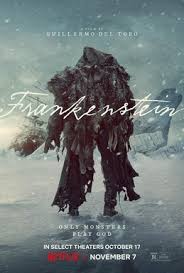
Scheduled to be released in late 2025, Frankenstein 2025 seeks to bridge the gap between Shelley’s gothic horror and modern science fiction. The adaptation includes elements such as artificial intelligence and genetic manipulation—issues at the forefront of today’s discussions on ethics in science. Directed by acclaimed filmmaker Sarah Reed, the film promises a visually stunning experience with a powerful narrative that challenges viewers to consider the implications of playing god.
The core of this adaptation revolves around Victor Frankenstein’s role, paralleling today’s tech moguls and scientists who push the boundaries of innovation without fully anticipating the consequences. The film draws striking parallels between Shelley’s creature—abandoned and misunderstood—and modern-day creations like AI and bioengineered beings, calling into question what it means to be truly human.
Public and Critical Reaction
Initial reactions from audiences are building anticipation; a teaser trailer has already generated discussions across social media platforms, with many praising its modern take on such a classic narrative. Critics anticipate that Frankenstein 2025 will ignite further debates about ethical boundaries in technology, particularly in light of recent advancements in AI and biotechnology.
Conclusion
Frankenstein 2025 represents a unique convergence of literature, film, and societal concerns, embodying the timelessness of Mary Shelley’s original work while adapting its messages for modern contemplation. In a world constantly grappling with rapid advancements and ethical dilemmas, this adaptation is poised to make a significant impact—encouraging audiences to reflect on the age-old question: What does it mean to create life? As we approach its release, it is clear that Frankenstein 2025 could spark vital conversations about our moral responsibilities as we forge ahead into an uncertain future.