Introduction
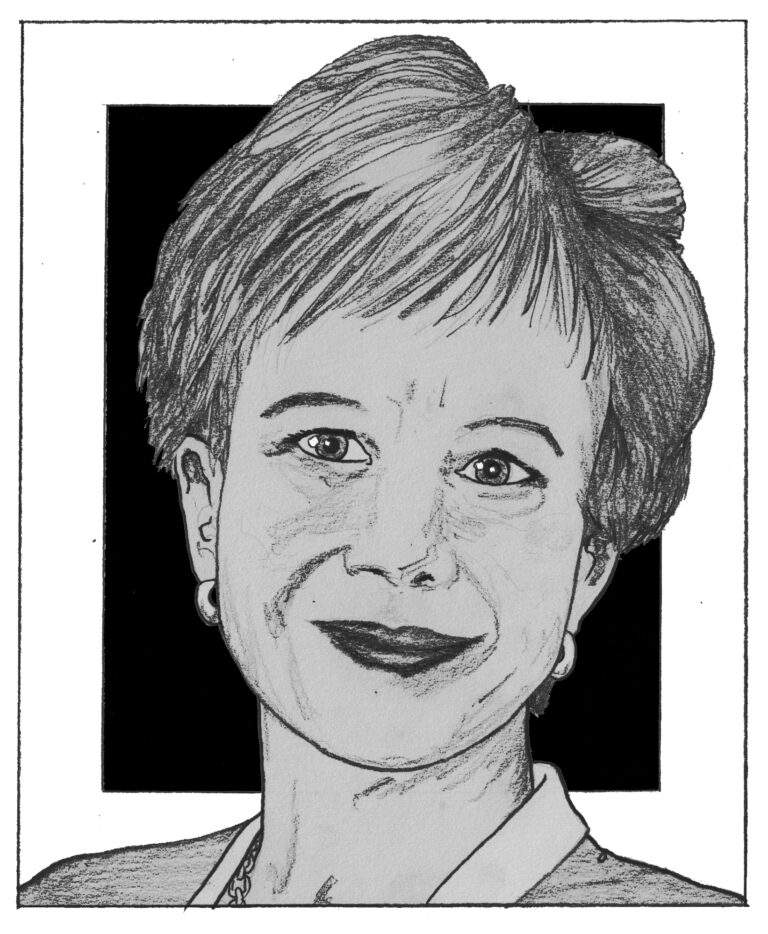
Fiona Bruce has made a significant mark in the world of journalism as one of the leading presenters on BBC. Her role as a trusted news anchor and her contributions to various current affairs programmes have solidified her position in the industry. With a career spanning over three decades, Bruce’s work goes beyond just reporting news; she has become a prominent figure in British media, known for her integrity and ability to tackle complex issues. This article explores her career journey, recent achievements, and ongoing relevance in an evolving media landscape.
Early Career and Rise to Prominence
Fiona Bruce joined BBC News in 1990, initially working on various regional programmes before making a national impact. She gained recognition as a newsreader for the BBC’s flagship programmes and played critical roles in major events, including general elections and pivotal global occurrences. In 2008, she became the first female presenter of ‘Question Time’, marking a significant milestone not only for Bruce but also for gender representation in British broadcasting.
Recent Developments
As of this year, Fiona Bruce has continued to lead BBC’s coverage of significant news events and has participated in several high-profile interviews and discussions. This past July, she took part in the coverage of the UK’s political climate amidst ongoing debates surrounding the economy and public services. Beyond politics, she has also been involved in documentaries that address social issues, showcasing her versatility as a journalist.
Impact on Journalism and Future Prospects
Fiona Bruce’s approach to journalism is marked by a commitment to accuracy and fairness. Her presentations and interviews often reflect a deep understanding of the topics she covers, earning her respect from both colleagues and viewers alike. In an era where misinformation can permeate news media, Bruce’s reputation serves as a reminder of the essential role journalists play in informing the public. Looking ahead, it is likely that Bruce will continue to evolve within the industry, possibly adapting her reporting style to include newer media formats and platforms, which have become crucial in reaching younger audiences.
Conclusion
Fiona Bruce’s contributions to journalism are significant, embodying the integrity and competence that is crucial in today’s fast-paced news environment. As she continues her work with the BBC, her influence on aspiring journalists and her role in shaping public discourse cannot be underestimated. By championing important issues and providing a platform for robust discussion, Bruce is not only informing but also engaging the public—a vital component in journalism today.