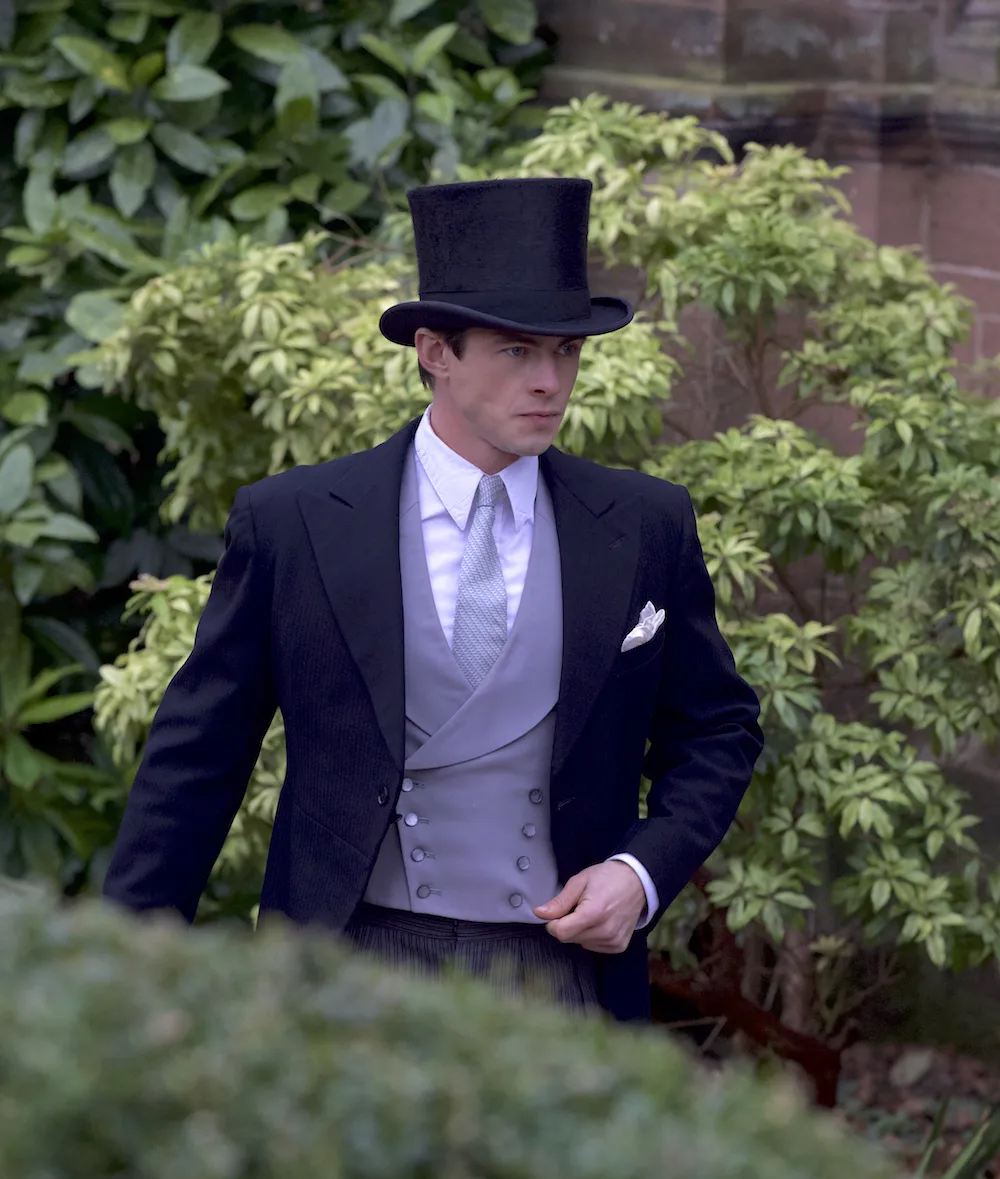
Fackham Hall Takes Aim at British Period Dramas
The release of Fackham Hall on HBO Max on March 6, 2026, marks a significant moment in the landscape of comedy films, particularly those that parody the genre of British period dramas. With a runtime of 97 minutes, the film cleverly critiques the themes of class warfare and aristocratic privilege that are often romanticized in such narratives. By spoofing these conventions, Fackham Hall not only entertains but also invites audiences to reflect on the absurdities of the upper class.
Set in 1930s England, Fackham Hall features a diverse cast including notable actors such as Thomasin McKenzie, Damian Lewis, and Tom Felton. The screenplay, co-written by comedian Jimmy Carr and the Dawson Brothers, showcases a blend of slapstick humor and sharp wordplay, reminiscent of classic comedies like Airplane! and The Naked Gun. Critics have noted that the film channels an anarchic spirit, delivering relentless gags that keep viewers engaged.
The film’s Rotten Tomatoes score stands at 76%, while its Metacritic score is 54, indicating a mixed but generally favorable reception. The humor is characterized by its boldness, with one critic stating, “The film delivers wordplay, sight gags, bodily humor, and slapstick stunts with reckless abandon.” This approach to comedy is particularly effective in a genre that often takes itself too seriously.
One of the film’s central plot points involves the character Poppy, who humorously rejects 22 suitors, highlighting the absurdity of romantic pursuits among the elite. The film’s subtitle, “INCESTUS AD INFINITUM,” further emphasizes its irreverent take on traditional narratives, suggesting a willingness to push boundaries in its comedic exploration.
Historically, Fackham Hall serves as a parody of the British period drama genre that gained immense popularity with productions like Downton Abbey. The film cleverly critiques the romanticization of the past, particularly the lives of the wealthy, by presenting them in a ludicrous light. The Davenport family, who have resided in Fackham Hall for over 400 years, becomes a focal point for exploring themes of privilege and entitlement.
As audiences engage with Fackham Hall, they are invited to reflect on the societal structures that these dramas often glorify. The film’s humor serves as a vehicle for social commentary, questioning the values associated with wealth and status. Critics have remarked that the film’s approach is not only entertaining but also thought-provoking, making it a significant addition to the genre.
While the film has garnered attention for its comedic elements, details remain unconfirmed regarding its long-term impact on the genre or potential sequels. As viewers continue to respond to its unique take on British period dramas, the conversation surrounding Fackham Hall is likely to evolve, keeping it relevant in discussions about contemporary cinema.