The numbers
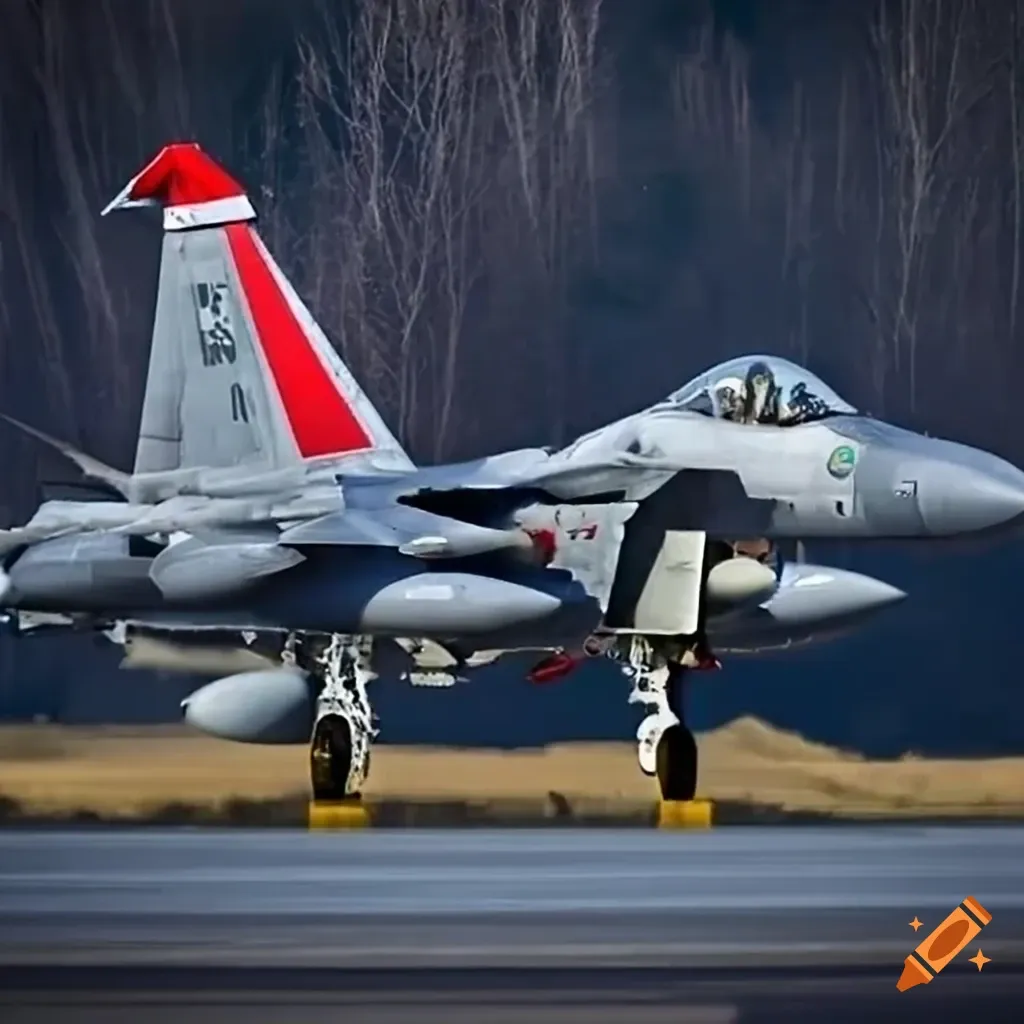
On April 3, 2026, an F-15E Strike Eagle was shot down in Iran, marking a significant escalation in military tensions in the region. This incident is particularly notable as it is the first time Iran has successfully downed a U.S. aircraft since Operation Epic Fury began more than a month ago. One crew member was rescued by American forces, while the fate of the second crew member remains uncertain.
Iranian state media has circulated photos and videos of the debris from the downed jet, further intensifying the situation. The crash occurred near the strategically vital Strait of Hormuz, a critical passageway for global oil shipments. The Pentagon has not yet responded to requests for comment regarding the incident, leaving many questions unanswered.
During the rescue operation, a U.S. UH-60 Black Hawk helicopter was hit by ground fire but managed to escape safely, showcasing the risks involved in such missions. The search continues for the second crew member, whose location and condition are currently unknown. This incident adds to the already heavy toll of the ongoing conflict, which has seen at least 13 American personnel killed and 365 wounded since the war began.
In a concerning development, Iranian officials have urged civilians to report any “enemy pilot” to the police, promising rewards for those who do. This call to action reflects the heightened tensions and the potential for further escalations in the region. Observers note that Iran has previously made at least six false claims about shooting down U.S. aircraft, all of which have been denied by American officials, raising questions about the credibility of their current claims.
Details remain unconfirmed regarding the exact location of the crash site, and the condition of the second crew member is still unknown. As the situation unfolds, the international community watches closely, hoping for a resolution that ensures the safety of all personnel involved.
This incident serves as a stark reminder of the volatile nature of military engagements in the region and the ongoing challenges faced by U.S. forces. With tensions running high, the implications of this event could resonate far beyond the immediate circumstances, affecting diplomatic relations and military strategies in the future.