Introduction
Ulaanbaatar, the capital city of Mongolia, is a dynamic hub of culture and history, attracting attention from tourists, researchers, and investors alike. As the largest city in Mongolia, Ulaanbaatar plays a crucial role in the nation’s economy and serves as the heart of Mongolian culture. With rapid development and a blend of traditional and modern lifestyles, understanding Ulaanbaatar is essential for recognizing the changes and challenges facing Mongolia today.
Historical Context
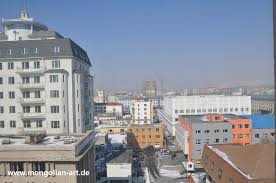
Founded in 1639 as a nomadic Buddhist monastic centre, Ulaanbaatar has evolved over the centuries from a ger (yurt) encampment into a bustling metropolis, officially becoming the country’s capital in 1924. The city showcases a mix of Soviet-era architecture and contemporary buildings. Sites such as the Gandan Monastery and the National Museum of Mongolia reflect its rich spiritual and historical heritage.
Recent Developments
In recent years, Ulaanbaatar has seen impressive economic growth, largely driven by the mining sector and foreign investments. As of 2023, the city is undergoing significant urban development projects aimed at addressing challenges like housing shortages and pollution. New infrastructure projects, including road expansions and the construction of public transport systems, are expected to improve the quality of life for its residents. However, rapid urbanisation has also led to rising air pollution levels and increased pressure on public services.
Cultural Landscape
The cultural fabric of Ulaanbaatar is diverse, reflecting Mongolia’s rich nomadic traditions alongside modern influences. The city’s annual Naadam Festival is a stunning showcase of traditional wrestling, horse racing, and archery, drawing both locals and international tourists. Cultural institutions like the State Academic Drama Theatre and various art galleries contribute to a thriving arts scene, promoting both traditional and contemporary Mongolian culture.
Conclusion
Ulaanbaatar stands at a crossroads of tradition and modernity, serving as an important centre for economic development while grappling with the challenges of urbanisation. As Mongolia continues to evolve, Ulaanbaatar is set to play a pivotal role in shaping the country’s future. Understanding the dynamics of this vibrant city is essential for anyone interested in Mongolia’s unique cultural identity and its growing global significance.