Introduction
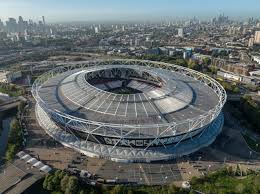
Twickenham Stadium, located in the London Borough of Richmond upon Thames, is renowned as the home of English rugby. Since its establishment in 1909, this iconic stadium has grown to become the largest dedicated rugby venue in the world, with a seating capacity of 82,000. Its significance extends beyond just a sports venue; it represents a rich history and a thriving culture surrounding rugby union, making it a vital part of England’s sporting landscape.
Key Events and Features
Twickenham Stadium is synonymous with major rugby events, hosting the annual Six Nations Championship, the Rugby World Cup, and the prestigious Autumn Internationals. Most recently, it played a pivotal role in the 2023 Rugby World Cup, showcasing some of the finest rugby talent on the global stage. The stadium also serves as a multi-purpose venue, hosting concerts and corporate events, further broadening its appeal.
One notable feature of Twickenham is the World Rugby Museum, which celebrates the history and heritage of rugby. Visitors can explore a range of exhibits that include memorabilia, trophies, and interactive displays that highlight the sport’s evolution. Additionally, the stadium offers guided tours, granting fans a behind-the-scenes look at its facilities, including the players’ changing rooms, the pitch, and the royal box.
Significance for the Community
Twickenham Stadium holds a special place in the heart of the local community and sports fans alike. It not only provides an exhilarating experience during match days but also contributes to the local economy through tourism and job creation. The continuously evolving facilities at the venue ensure that it remains at the forefront of sports technology and fan engagement.
Conclusion: Looking Ahead
As Twickenham Stadium approaches its next chapter, it is poised to maintain its status as a leading venue for rugby in England and around the world. With ongoing investments and improvements, the stadium aims to enhance the fan experience and adapt to the changing dynamics of sports and entertainment. Fans can look forward to a vibrant future filled with exciting matches and community events that continue to celebrate the spirit of rugby. The stadium’s enduring legacy makes it not just a sports venue but a cultural institution for future generations.