Introduction to Tteokbokki
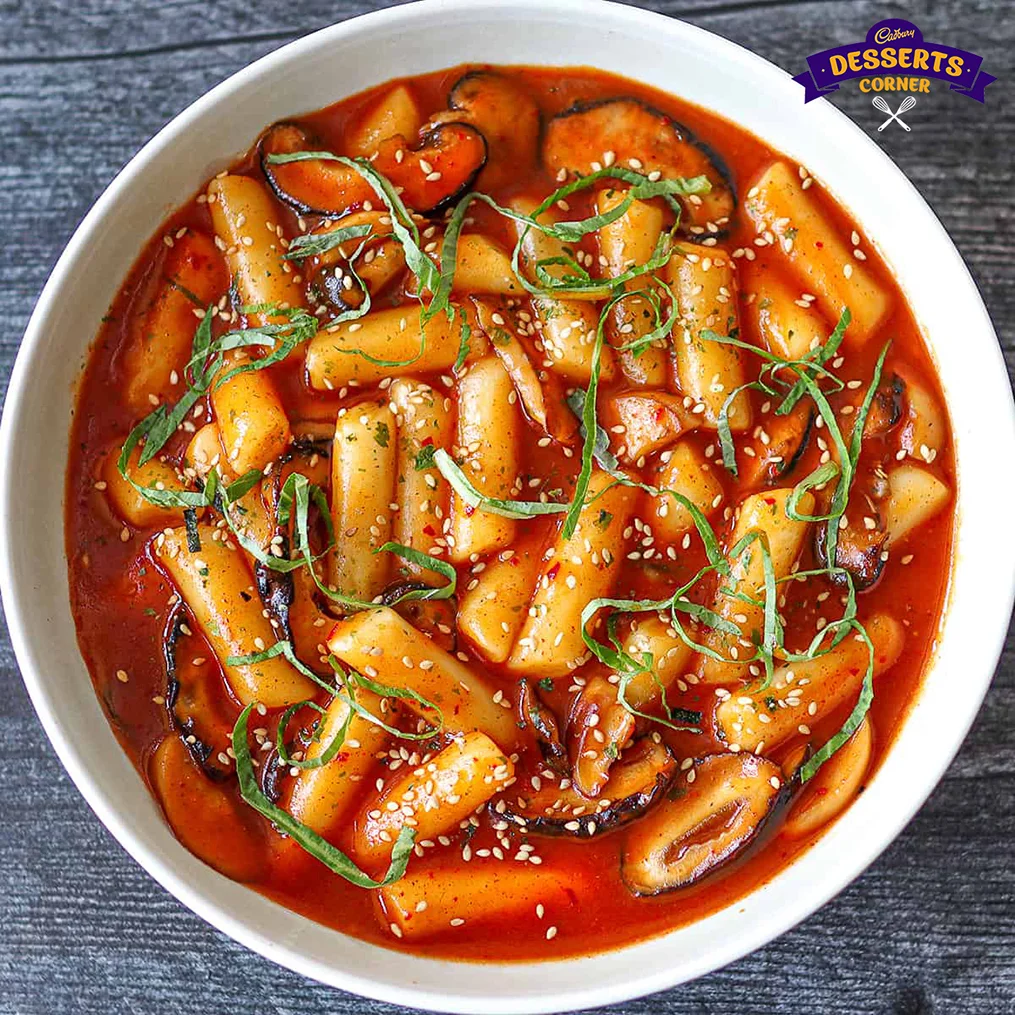
Tteokbokki, a beloved Korean street food, has gained international recognition and continues to grow in popularity. This dish, primarily made from chewy rice cakes known as ‘tteok’, is often stir-fried in a delightful sauce that combines sweetness and spiciness, making it a favourite among food enthusiasts. Its significance extends beyond just a snack; it represents a fusion of tradition and contemporary culinary trends that resonate with both locals and a global audience.
Historical Background
The origins of tteokbokki date back to the late 19th century when it was initially served as a royal court dish. Traditionally, it was made with a sauce containing soy sauce, sugar, and sesame oil. However, as Korea transitioned to the modern era in the 1950s, the recipe evolved to incorporate gochujang, a spicy red chili paste, which introduced the hallmark flavour that we associate with tteokbokki today. Its journey from noble kitchens to bustling streets reflects the culinary evolution of Korea.
Ingredients and Preparation
The primary component of tteokbokki is the rice cake, which is cylindrical and chewy in texture. It is commonly sautéed with a rich blend of gochujang, sugar, and water to create the characteristic sauce. Additional ingredients often include fish cakes, boiled eggs, and a variety of vegetables such as scallions and cabbage. The dish is typically enjoyed as a hot and comforting meal or snack, often served in large sharing platters.
Current Trends and Popularity
In recent years, tteokbokki has exploded in popularity, particularly among younger generations both in Korea and internationally. The rise of Korean pop culture, including K-dramas and K-pop, has spurred interest in Korean cuisine as a whole. Street food vendors, specialised restaurants, and even frozen food companies are capitalising on this trend by offering various iterations of tteokbokki, often adding unique twists with diverse ingredients like cheese or seafood. Food festivals and pop-up stalls dedicated to this dish are increasingly common, enriching the street food culture and culinary scene.
Conclusion
The evolution of tteokbokki from a royal dish to a popular street snack exemplifies the dynamic nature of culinary traditions. As the dish continues to gain international fans, its cultural significance deepens, bridging connections between different communities worldwide. Whether enjoyed as a classic preparation or a modern twist, tteokbokki remains a symbol of the vibrant flavors and traditions of Korean cuisine, inviting food lovers everywhere to share in its story.