Introduction
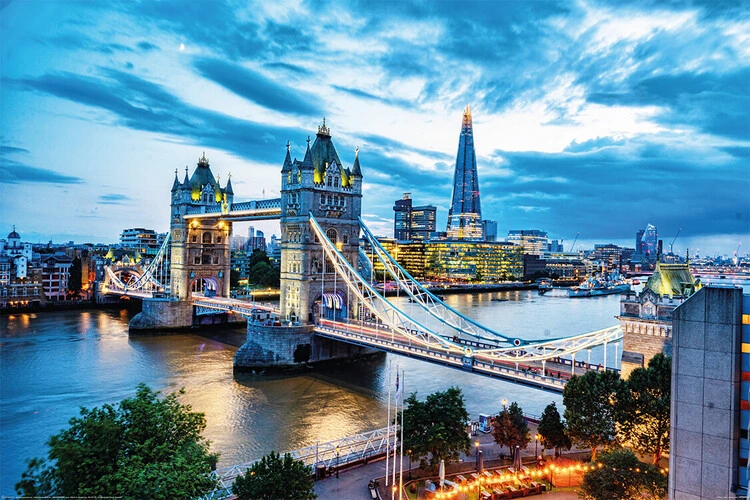
Tower Bridge, one of London’s most iconic landmarks, stands as a testament to Victorian engineering and design. Spanning the River Thames, this drawbridge is not just a vital crossing point for vehicles and pedestrians, but also a symbol of London, attracting millions of visitors each year. Understanding its historical significance and engineering prowess is essential for appreciating the cultural fabric of the city.
The Engineering Marvel
Completed in 1894, Tower Bridge was designed by architects Horace Jones and John Wolfe-Barry after a series of discussions following the need for a bridge that could accommodate the growing number of river traffic. The bridge measures 800 feet long and features two imposing towers connected by walkways at the upper level. Its distinctive Gothic style, combined with innovative construction methods, allowed the bridge to rise and enable tall ships to navigate the Thames.
The hydraulic system used to operate the bridge’s bascules (the moveable spans) has undergone numerous modernization processes, yet still retains its historical essence. Today, electric and hydraulic power allows for quick and efficient opening, with the bridge raising approximately 1,000 times a year, ensuring the continuous flow of both road and river traffic.
A Tourist Attraction
In addition to its functional role, Tower Bridge serves as a major tourist attraction. The Tower Bridge Exhibition provides insights into the bridge’s construction and history, featuring glass-floored walkways that offer panoramic views of the Thames and the city. With visitors drawn from across the globe, the attraction has continuously evolved, recently being spotlighted in emerging travel itineraries and social media, showcasing its appeal to a younger audience.
Conclusion
As one of the most recognisable structures in the world, Tower Bridge represents the ingenuity of Victorian architecture while continuing to serve and adapt to modern needs. In the coming years, it is expected that Tower Bridge will further enhance its role in London’s cultural landscape through innovative exhibitions and expanded visitor services. For anyone visiting London, experiencing this historic bridge is not just an opportunity to marvel at its design but to connect with the city’s vibrant history.