Introduction to Oslo
Oslo, the capital of Norway, plays a pivotal role as the country’s cultural, economic, and political centre. With a population of over 1.5 million in its metropolitan area, it boasts a unique blend of history, modernity, and nature. Oslo’s relevance has grown not only as a travel destination but also as a model for urban sustainability, making it an important subject of discussion among city planners and environmentalists worldwide.
Cultural Highlights
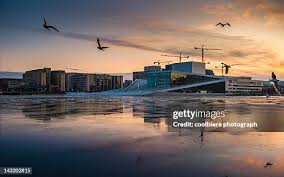
Oslo offers a rich tapestry of cultural attractions. The Vigeland Sculpture Park, part of the Frogner Park, features over 200 sculptures by Gustav Vigeland, providing insight into human emotions and relationships. Another significant site is the Oslo Opera House, an architectural marvel which invites visitors to walk on its roof while offering breathtaking views of the fjord.
The Munch Museum, dedicated to the works of Edvard Munch, attracts art enthusiasts from around the globe, with iconic pieces such as ‘The Scream’ frequently on display. Additionally, the newly reopened National Museum houses an extensive collection of Norwegian art, making it a must-visit for anyone interested in the country’s artistic heritage.
Natural Beauty
Oslo is nestled between the Oslofjord and green hills, allowing residents and tourists alike to enjoy a myriad of outdoor activities. The nearby Oslomarka forest offers hiking trails and ski slopes, maintaining a balance between urban life and nature. In the summer, visitors often take a ferry to explore the islands in the fjord, with locations like Hovedøya well known for picnicking and swimming. Oslo’s commitment to sustainability is showcased in its green spaces and initiatives aimed at encouraging eco-friendly transportation.
Recent Developments
In recent years, Oslo has gained recognition for its ambitious environmental goals, including a target to become a zero-emission city by 2030. Initiatives like the expansion of electric public transport options and investment in renewable energy have put Oslo at the forefront of the global conversation on climate change. In 2023, the city was awarded the European Green Capital title, solidifying its status as a leader in sustainability.
Conclusion and Future Prospects
As Oslo continues to evolve, its blend of cultural vibrancy, historical significance, and commitment to sustainability make it an ideal destination for future generations. The city serves as an example of how urban centres can harmonise with nature while offering rich experiences for residents and visitors alike. As global interest in sustainable living grows, Oslo is poised to play a crucial role in reshaping urban landscapes and policies worldwide.