Introduction to Northumberland
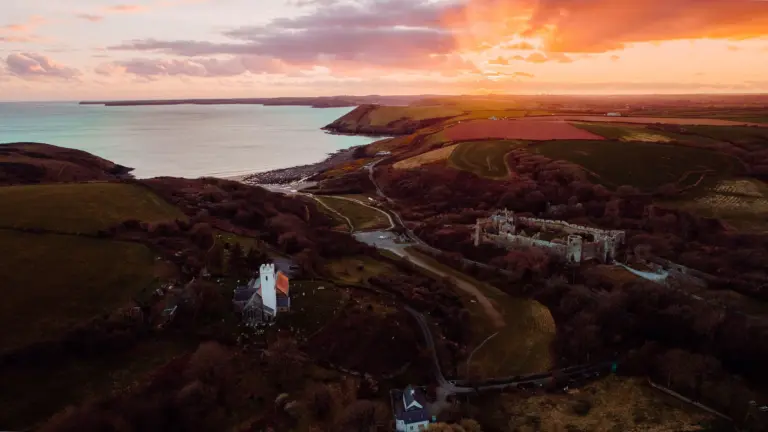
Northumberland, located in the north-east of England, is one of the country’s most scenic regions, renowned for its rich history and natural beauty. The area is characterised by its rugged coastline, rolling hills, and historic castles, making it an important location for both tourism and conservation. With its diverse ecosystem and cultural heritage, Northumberland remains relevant as it attracts visitors interested in both history and outdoor activities.
Historical Significance
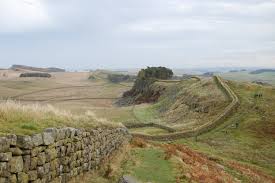
The history of Northumberland is marked by centuries of invasions and battles. It is home to Hadrian’s Wall, a UNESCO World Heritage site dating back to AD 122, built by the Romans to protect their empire from the tribes to the north. This landmark not only highlights the Roman influence on the area but also serves as a key draw for tourists, encapsulating the region’s centuries-old narratives. In addition to Roman history, the stunning Alnwick Castle, featured in films like Harry Potter, and notable medieval sites reflect Northumberland’s status as a centre of power during the Middle Ages.
Natural Beauty and Conservation
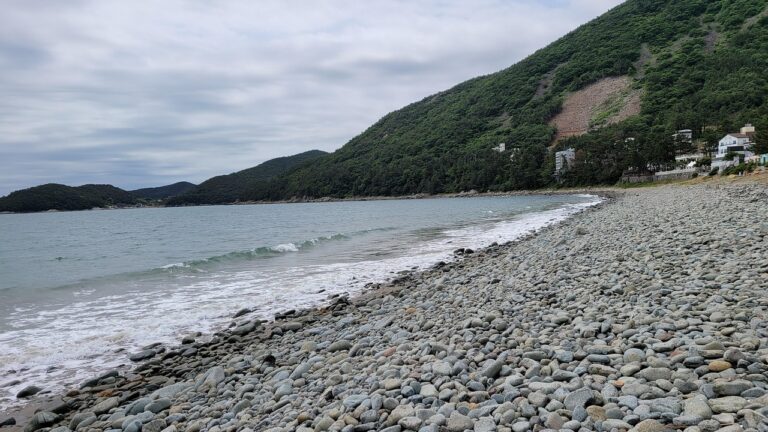
Northumberland boasts some of the most beautiful landscapes in the UK, including the Northumberland National Park, which is the least populated national park in England. Spanning over 1,000 square miles, the park is a haven for wildlife and offers numerous walking, cycling and adventure opportunities. To the east lies the picturesque Northumberland Coast Area of Outstanding Natural Beauty, which is celebrated for its rugged cliffs and sandy beaches. Around this area, there are abundant opportunities for birdwatching, particularly on the Farne Islands, which are a sanctuary for puffins and grey seals. Efforts for conservation have been ramped up, aiming to protect these natural habitats and promote eco-friendly tourism.
Current Events in Northumberland
Recently, Northumberland has seen increasing attention from the government regarding funding for its cultural initiatives and environmental projects. A notable development is the proposed investment in the tourism infrastructure to support post-pandemic recovery. The Northumberland Tourism Board reported that visitor numbers have shown significant growth, demonstrating the region’s resilience. As travel restrictions ease, activities such as hiking and heritage tours are expected to rise, potentially rejuvenating the local economy.
Conclusion
In summary, Northumberland is an area that blends history with natural beauty, offering visitors a unique experience, whether through its rich historical sites or breathtaking landscapes. As it continues to attract tourists and garner investment, Northumberland is poised for a bright future. Readers looking for cultural adventures or outdoor explorations should consider this hidden gem in the north-east of England as a top choice for their next trip.