Introduction
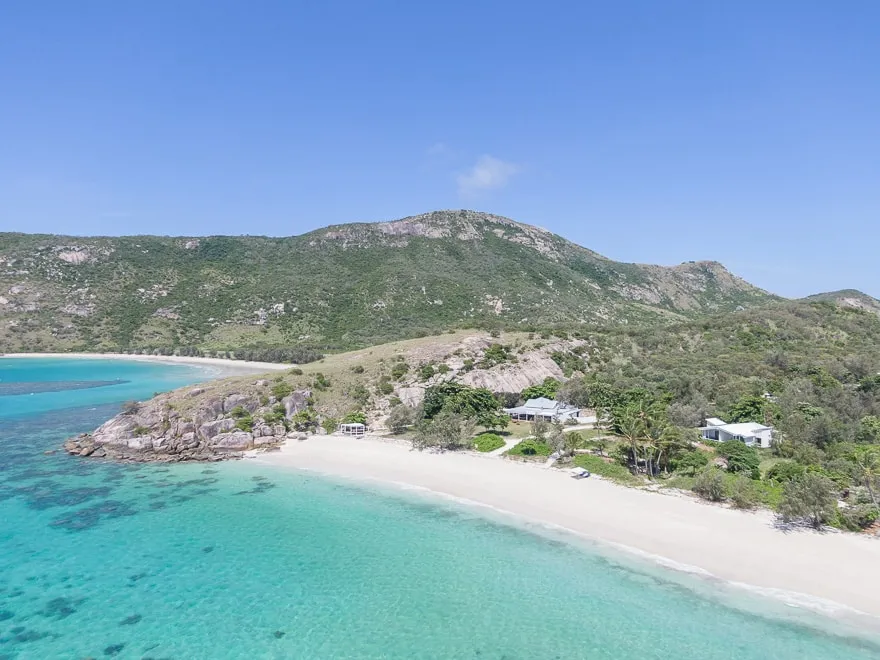
Lizard Island, located on the Great Barrier Reef in Queensland, Australia, is a captivating tropical paradise known for its breathtaking scenery, diverse marine life, and pristine beaches. As a UNESCO World Heritage Site, this island holds significance not just for tourism, but also for its ecological importance. In light of recent conservation efforts and travel trends, understanding Lizard Island has never been more pertinent.
Key Features and Attractions
The island boasts over 24 white sandy beaches and offers an array of activities for visitors, including snorkelling, diving, and hiking. The famous Cod Hole, where divers can interact with large potato cod, is a highlight for many visitors seeking underwater adventures. Additionally, the island is home to an array of wildlife, such as the rare Green Sea Turtle and various bird species, making it a hotspot for ecotourism.
Recent Developments
In recent months, Lizard Island has seen increased attention due to the restoration efforts after severe weather events that impacted the Great Barrier Reef. Conservation groups have partnered with local authorities to rehabilitate coral structures and protect marine ecosystems, ensuring the island remains a viable tourist destination. Furthermore, with the rise of sustainable tourism, Lizard Island is positioning itself as a premier eco-friendly travel destination, developing new programs that promote respect for the environment.
Conclusion
Lizard Island remains a vital location not only for its natural beauty but also for its role in conservation and sustainable tourism. As more travellers seek authentic and environmentally-conscious experiences, Lizard Island is poised to become a leader in eco-tourism. With continuing efforts to preserve its unique ecosystem and encourage responsible tourism, Lizard Island is an essential destination for anyone looking to escape into nature’s splendour while contributing to its protection.