Introduction to Languedoc
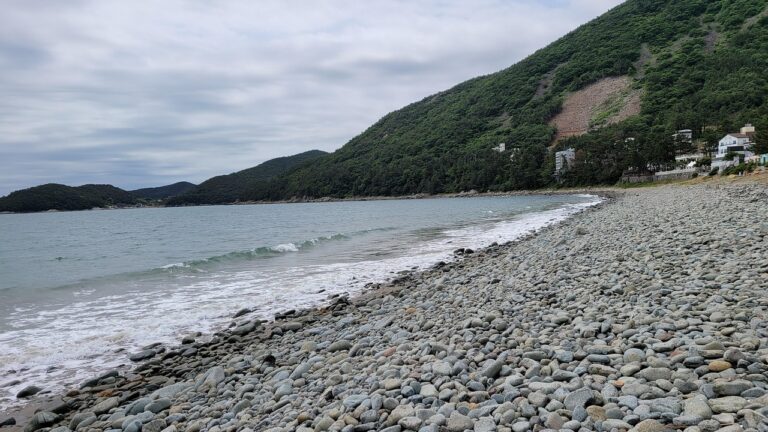
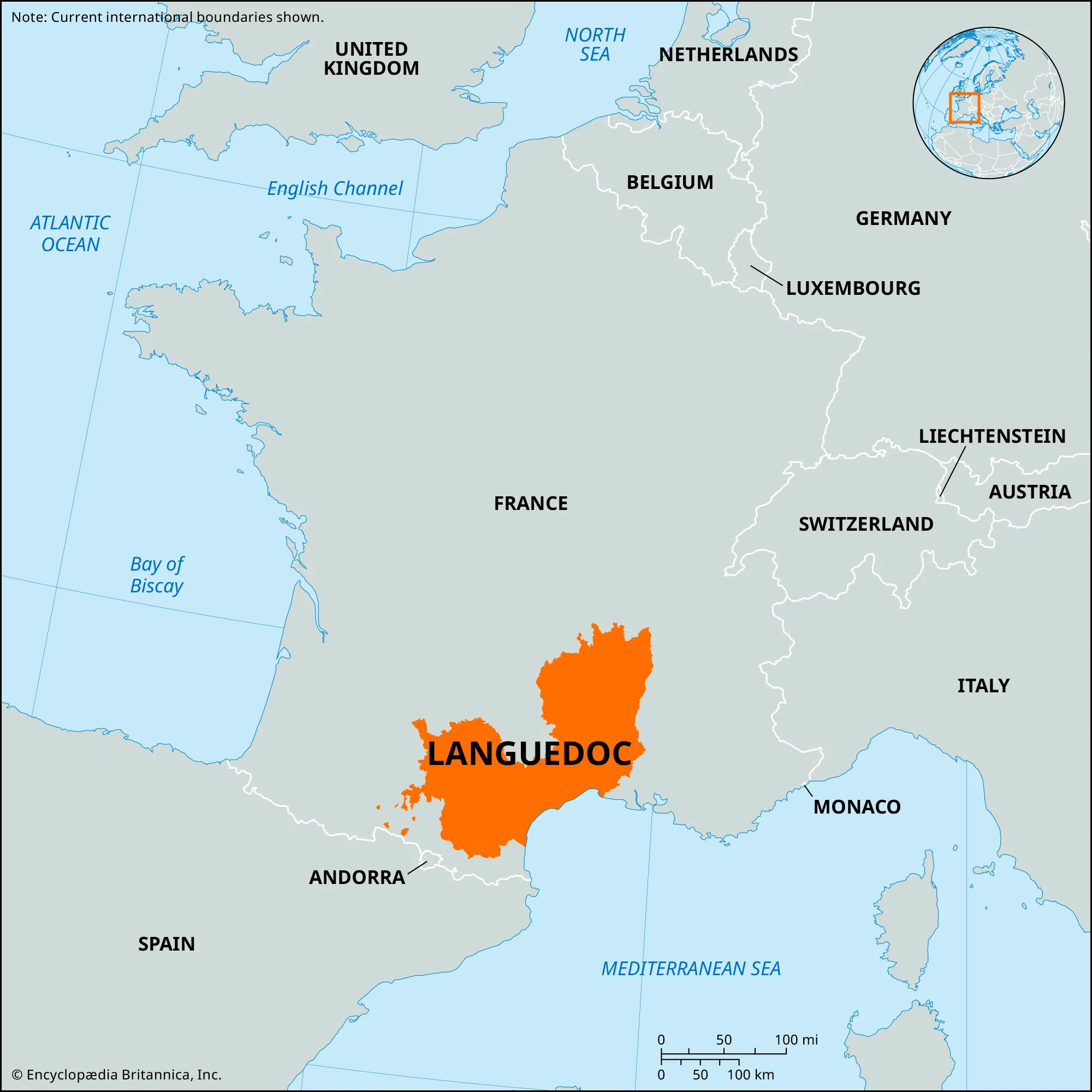
Languedoc, situated in the south of France, is renowned for its picturesque landscapes, rich history, and vibrant culture. This region, which has been making wine for over two thousand years, offers a unique mix of ancient ruins and modern attractions, making it an essential destination for travellers and wine enthusiasts alike. With its Mediterranean climate, rolling vineyards, and beautiful coastal towns, Languedoc continues to attract visitors from around the world.
Historical Significance
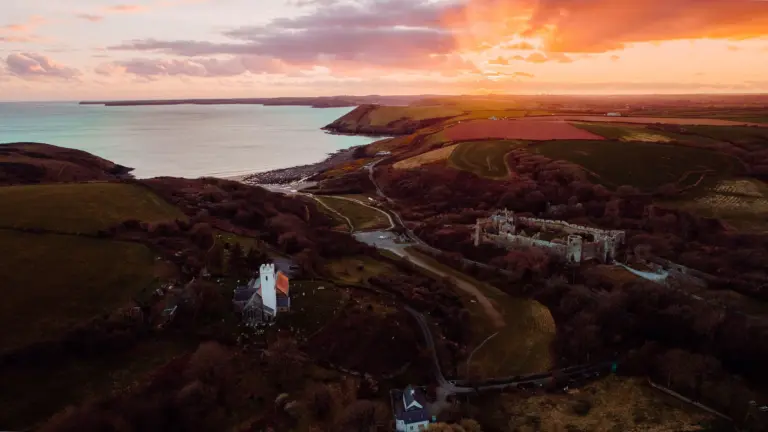
The history of Languedoc is as rich as its soil; it was once the heartland of the Cathar movement in the 12th century, promoting a fundamental religious ideology that challenged the Catholic Church. The region is dotted with medieval castles and historic sites, such as the city’s famous fortress, Carcassonne, which has been declared a UNESCO World Heritage Site. Today, these sites serve as a window into the past and continue to intrigue historians as well as casual tourists.
Vibrant Culture and Traditions
Languedoc’s culture is a blend of influences from surrounding Provence and the wider Mediterranean region, evident in its culinary offerings, festivals, and art. Locals celebrate their heritage through various events, including wine festivals that showcase the diverse grape varieties grown in the region. From the robust reds of Minervois to the crisp whites of Picpoul, Languedoc is now one of France’s largest wine-producing regions, with a growing reputation for quality.
Current Developments
In recent years, Languedoc has seen an increase in eco-tourism as well, with initiatives focused on sustainability and preserving the stunning natural landscapes. The region is also investing in infrastructure to enhance the tourist experience, with new wine trails linking vineyards and scenic viewpoints. Increased awareness of the area’s natural beauty and cultural significance is attracting a younger demographic seeking both relaxation and adventure.
Conclusion
Languedoc is more than just a wine region; it is a testament to the rich tapestry of French history and culture. With its stunning landscapes, historic landmarks, and increasing focus on sustainability, it holds immense potential for future growth in tourism. As visitors flock to experience its charm, the region’s unique offerings put it on the map as one of France’s must-visit destinations.