Introduction
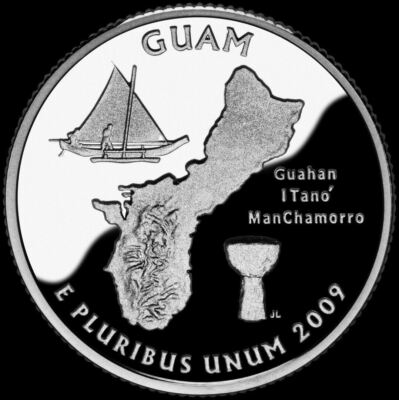
Guam, an unincorporated territory of the United States located in the western Pacific Ocean, holds a unique significance both geographically and culturally. Known for its stunning beaches, rich history, and diverse ecosystems, Guam is not only a vital strategic military location but also a vibrant tourism hotspot that attracts visitors from around the world. As travel routes begin to reopen post-pandemic, knowledge about Guam’s offerings is timely for travelers and businesses alike.
Geographical Significance
Guam is the largest island in Micronesia and sits strategically at the crossroads of the Pacific. With a total area of approximately 210 square miles, it is well-positioned as a military outpost and plays a crucial role in US defense strategy in the region. This geographical advantage has sparked interest in the island not just for military purposes but also for tourism, drawing in visitors eager to explore its legacy.
Rich Cultural Heritage
The culture of Guam is a blend of indigenous Chamorro traditions and influences from Spanish colonisation, American administration, and Japanese occupation during World War II. The Chamorro people have a rich oral history and unique customs, including traditional dances, crafts, and culinary practices that highlight local ingredients. Annual events, such as the Guam Micronesia Island Fair, celebrate this heritage and promote cultural awareness among both locals and tourists.
Tourism and Natural Attractions
Guam’s tourism industry is pivotal to its economy, with the island featuring stunning natural attractions. Renowned spots like Tumon Bay, with its crystal-clear waters and vibrant coral reefs, offer unparalleled opportunities for scuba diving and snorkeling. Visitors can also explore the picturesque landscapes of the Latte Stone Park and the historical sites of the War in the Pacific National Historical Park. Recent reports show a recovery in tourist numbers, particularly from South Korea and Japan, indicating a growing interest in the island’s offerings as travel resumes.
Conclusion
Guam serves not only as a strategic military base but also as a jewel of the Pacific, full of cultural richness and stunning natural beauty. The ongoing recovery in tourism is a promising sign for local businesses and the economy, emphasizing the territory’s appeal as a travel destination. As global travel steadily increases, awareness of Guam’s attractions and its significance will likely continue to grow, positioning the island as a must-visit location for prospective travellers.