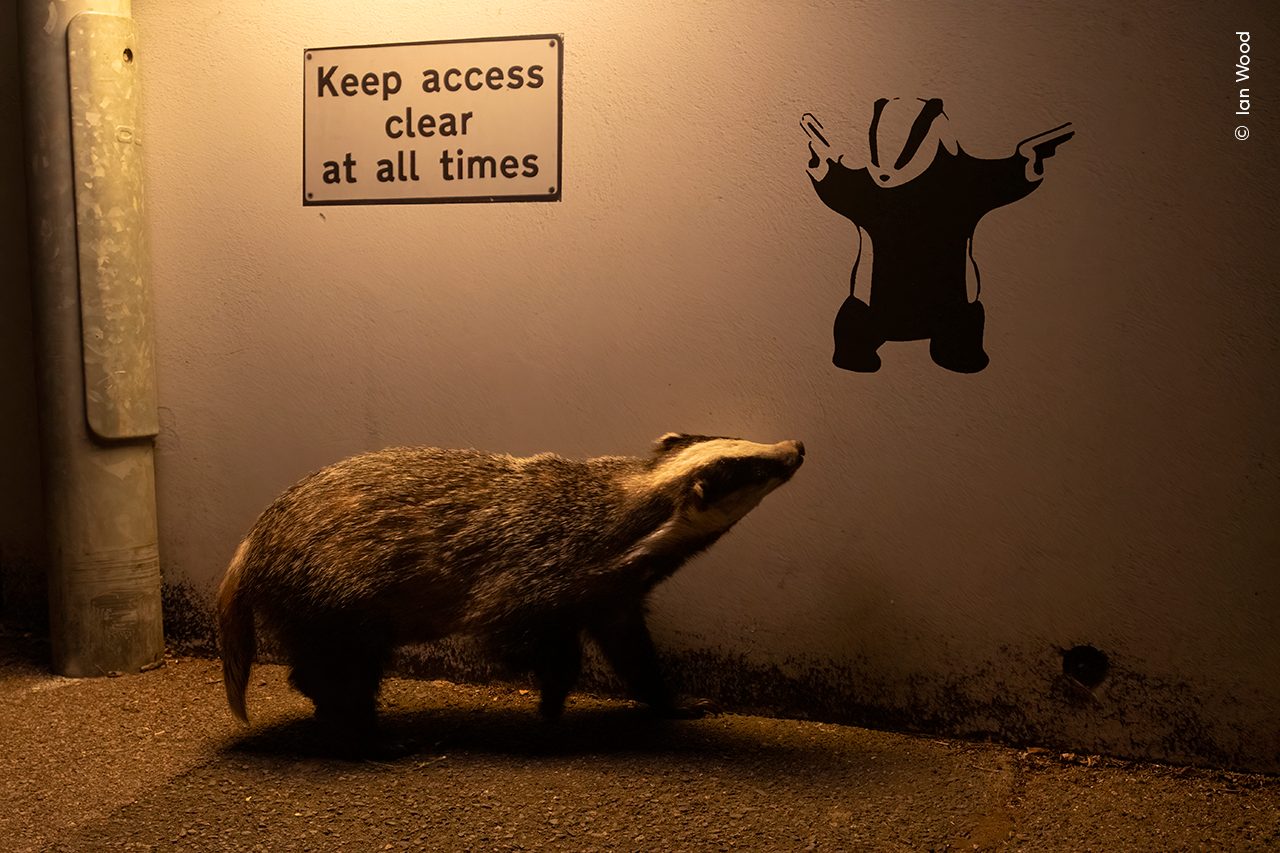
Introduction to the Wildlife Photographer of the Year
The Wildlife Photographer of the Year (WPY) competition, established in 1965, is widely regarded as one of the most prestigious photographic contests in the world. Organised by the Natural History Museum in London, it aims to celebrate the beauty and diversity of wildlife while raising awareness about conservation issues affecting our planet. With entries from professionals and amateurs alike, the competition highlights the indispensable role photography plays in wildlife conservation by bringing compelling visual narratives to a public audience.
Details of the 2023 Competition
This year, the competition received over 49,000 entries from 95 countries, showcasing a stunning array of wildlife images that capture the fragility and beauty of life on Earth. The judging panel, composed of expert photographers and conservationists, focused on the creativity, originality, and technical proficiency of the photographs submitted. Winning images are selected not only for their artistic merit but also for their ability to provoke emotional responses and inspire action towards the conservation of our natural world.
The winners of the 2023 competition were announced at a gala ceremony in London on October 10. Among the acclaimed winners was Australian photographer Jason Edwards, who took home the prestigious title of Wildlife Photographer of the Year. His striking image entitled ‘Ghost in the Forest’ portrays an endangered species caught in a moment of grace, drawing attention to the urgent need for wildlife protection initiatives.
Significance of the Competition
The importance of the Wildlife Photographer of the Year extends far beyond recognition for photographers. The images serve as powerful reminders of the challenges faced by biodiversity and ecosystems across the globe. The competition educates the public on environmental issues through its exhibitions, which tour cities around the world, reaching millions and fostering appreciation for wildlife conservation. Each year, a portion of the competition’s income is allocated to wildlife conservation projects, directly supporting efforts to preserve threatened habitats and species.
Conclusion and Future Implications
As we reflect on the awe-inspiring imagery presented in this year’s competition, it becomes clear that the Wildlife Photographer of the Year continues to evolve as a crucial platform for raising awareness about the state of the natural world. With ongoing environmental challenges, including climate change and habitat destruction, initiatives such as WPY are vital in advocating for sustainable practices and engaging the public in conservation efforts. Looking ahead, the continued support for emerging photographers and innovative approaches to wildlife representation will surely inspire a new generation of conservation advocates, ensuring that the stories of our planet’s wildlife remain in focus.