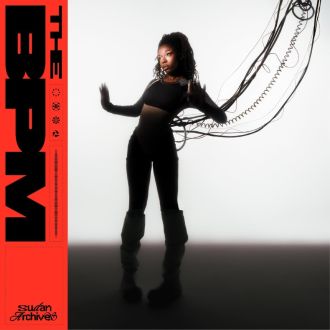
The Rise of Sudan Archives
Sudan Archives, the stage name of Brittany Parker, is an artist making waves in the contemporary music scene. Originating from Cincinnati, Ohio, Parker draws inspiration from her Sudanese heritage, incorporating traditional sounds and rhythms into her work. The importance of Sudan Archives lies in her ability to merge cultural heritage with modern musicality, creating a distinctive sound that captivates audiences globally.
Musical Influences and Style
Sudan Archives’ music is characterised by the use of the violin, often interwoven with beats and electronic sounds. Parker’s background in classical violin and her exploration of alternative R&B have given rise to a unique style that resonates with a diverse listener base. Her influences range from Sudanese folk traditions to contemporary artists, showcasing her commitment to cultural authenticity while pushing the boundaries of genre. Tracks like “Come Back” and “Confessions” reflect this fascinating blend, highlighting her vocal prowess and innovative instrumentals.
Recent Developments and Recognition
Sudan Archives gained significant attention with her self-titled debut album released in 2019, followed by her sophomore project, “Natural Brown Prom Queen,” which further solidified her place in the music industry. The album, praised for its innovative approach and thematic depth, has garnered accolades from critics and fans alike. Furthermore, she has been featured on prominent platforms such as NPR and has performed at notable festivals around the world, enhancing her visibility and reach.
The Significance of Sudan Archives Today
The relevance of Sudan Archives extends beyond her music; she embodies a powerful narrative of cultural blending and artistic expression. In a time where globalization and cultural exchange are at the forefront, her works resonate with those seeking authenticity in music. As a successful Black woman in a predominantly white industry, Parker’s journey is inspirational, breaking barriers and inspiring other artists of diverse backgrounds.
Conclusion
Sudan Archives represents a new generation of artists who refuse to be pigeonholed by genre or ethnicity. As she continues to gain recognition, her influence is anticipated to grow, inspiring a wave of musicians to explore and embrace their cultural backgrounds. For listeners, her music offers a fresh perspective, inviting them to experience the rich tapestry of sound that bridges cultures across the globe. As we look to the future, Sudan Archives will undoubtedly play a pivotal role in shaping the landscape of modern music.