Introduction
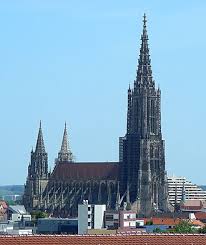
The title of the tallest church in the world is proudly held by Ulm Minster, located in Ulm, Germany. Standing at an impressive height of 161.5 metres (530 ft), it surpasses all other churches globally, making it a significant landmark for both visitors and architecture enthusiasts. The church’s towering spire not only defines the skyline of Ulm but also serves as a testament to the artistic and engineering prowess of the period in which it was built.
Historical Significance
Construction of Ulm Minster began in 1377 and continued for several centuries, reflecting the Gothic architectural style that flourished in the late Middle Ages. The church was initially intended to be a cathedral, but it was never completed as such due to various social and political factors, including the Reformation. In 1890, the church was consecrated to the Protestant faith, and today, it is a prominent Protestant church.
What makes Ulm Minster particularly fascinating is not just its height, but also its intricate design features, including stunning stained glass windows and elaborate sculptures. The church is adorned with notable architectural details such as buttresses, flying arches, and a stunning organ that attracts musicians and visitors from around the world.
Recent Developments
In the modern era, Ulm Minster has undergone several restoration projects, ensuring its preservation for future generations. Efforts to maintain the structure’s integrity and aesthetics have included work on the spire and the overall masonry, addressing wear and tear from weathering and pollution. The church is not only a place of worship but also a major tourist attraction, drawing approximately 500,000 visitors each year.
Conclusion
As the tallest church in the world, Ulm Minster stands as a symbol of architectural ambition and historical resilience. Its continued prominence underscores the importance of heritage conservation in today’s world. With ongoing restoration efforts and its status as a tourist hotspot, Ulm Minster is likely to maintain its status and relevance both as a religious site and a marvel of Gothic architecture for many years to come. For those interested in history, architecture, or culture, a visit to Ulm Minster is an essential experience that showcases the monumental achievements of human creativity.



