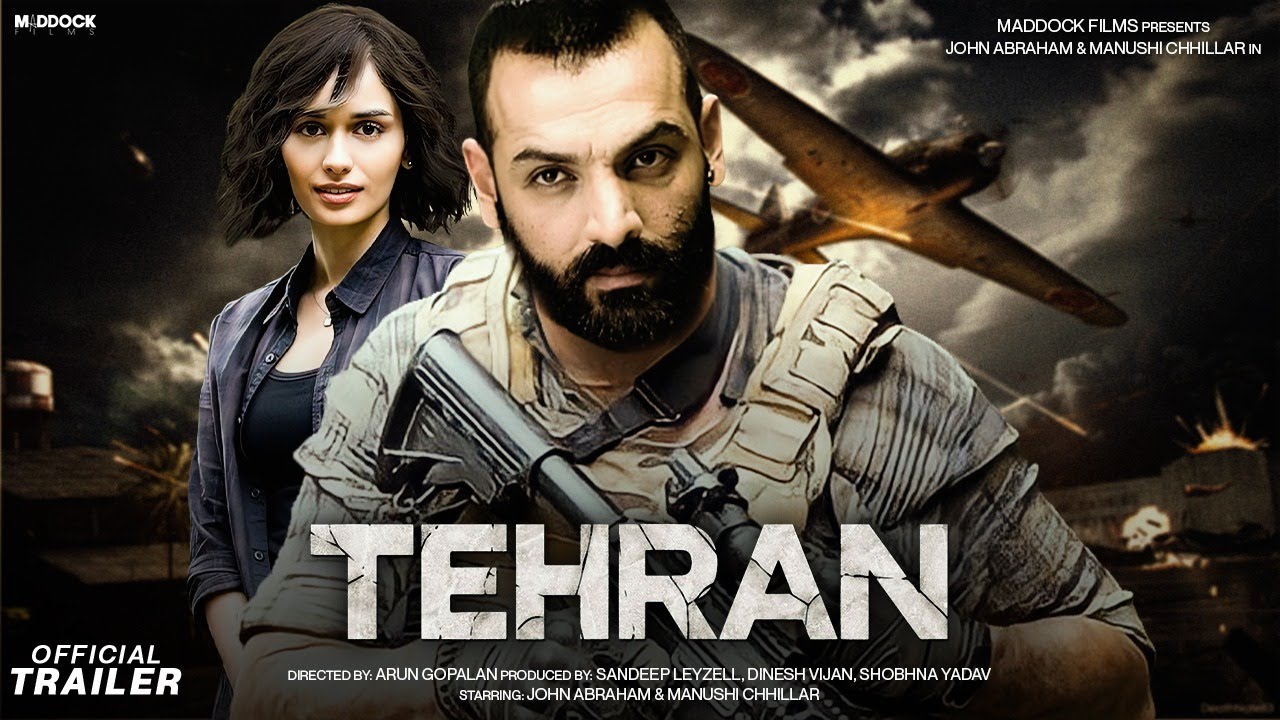
Introduction to the Tehran Movie
The Tehran movie has emerged as a pivotal piece in the fabric of Iranian cinema, capturing a range of emotional and cultural narratives that resonate deeply with both domestic and international audiences. With ongoing shifts in Iran’s socio-political landscape, films like the Tehran movie become crucial in understanding the complexities of the country’s identity and history.
Overview of the Tehran Movie
Released in late 2023, the Tehran movie dives into the heart of urban life in Iran’s capital, weaving together stories of love, resilience, and societal challenges. Directed by Nima Shahrani, the film showcases several interlinked narratives that illustrate the daily lives of ordinary Iranians grappling with the intertwining effects of political unrest and cultural tradition. The film’s powerful storytelling is complemented by stunning cinematography that captures the essence of Tehran’s bustling streets and rich heritage.
Critical Reception and Impact
Upon its release, the Tehran movie received widespread critical acclaim for its bold critique of contemporary Iranian society. Film festivals across Europe and North America have lauded the work, with particular praise for its authenticity and the performances of the cast. Critics have noted how the film provides an honest portrayal of modern struggles while remaining deeply rooted in Iran’s cultural ethos. Its reception has sparked dialogues on the power of cinema as a tool for social commentary and change.
Significance for Iranian Cinema
The Tehran movie stands as a significant milestone in the evolution of Iranian cinema, paving the way for future filmmakers to explore nuanced narratives that challenge traditional norms. With its focus on urban experiences, the film shifts away from the historically more conservative depictions of Iranian life, opening doors for discussions about gender, class, and modernisation.
Conclusion: The Future of Iranian Cinema
As the Tehran movie continues to gain attention, it signals a transformative moment in the artistic expression of Iranian filmmakers. This film not only enhances our understanding of Tehran’s complexities but also reflects the broader trends in global cinema prioritising authentic voices and diverse stories. Looking ahead, the success of the Tehran movie may inspire a new wave of Iranian cinema that embraces these evolving narratives, inviting audiences worldwide to engage with the rich tapestry of Iranian culture.