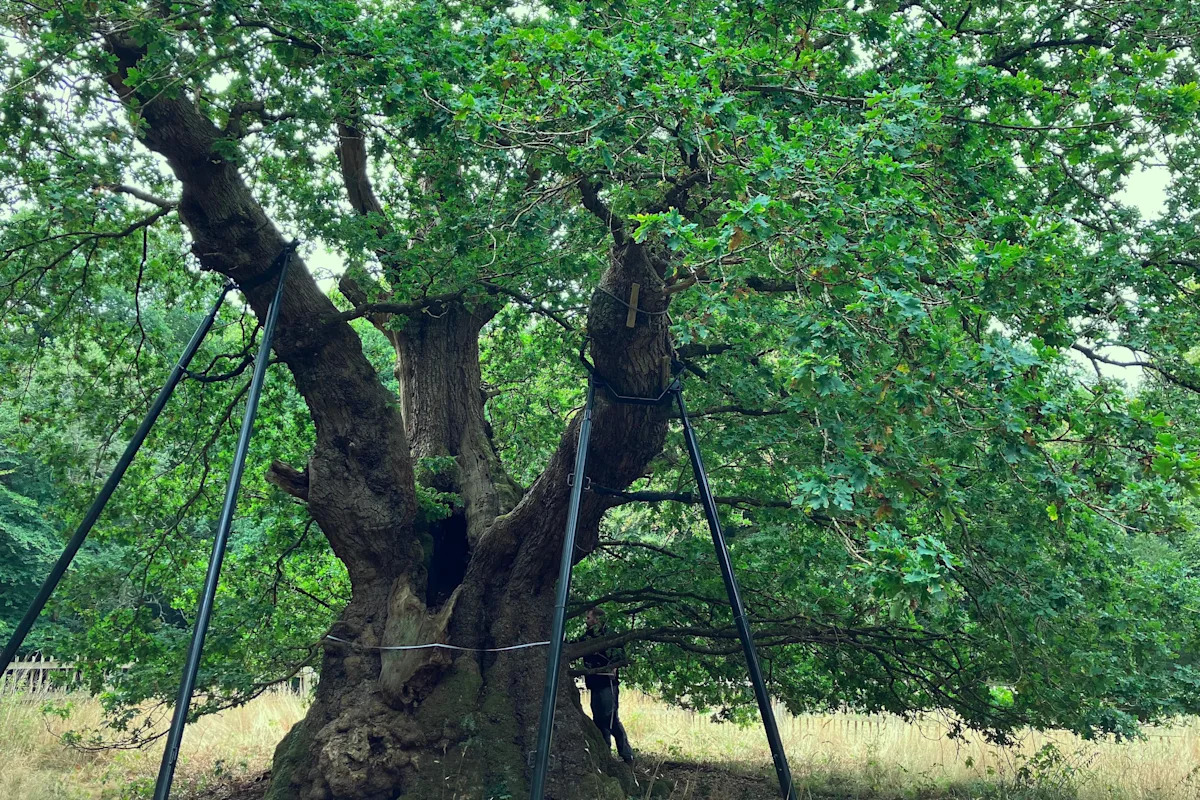
Introduction to Druids Oak
Druids Oak, nestled in the serene landscape of the British countryside, is a remarkable natural monument, steeped in history and folklore. Often regarded as a sacred site, this ancient tree not only represents a slice of natural history but also serves as a connection to the rich cultural heritage of the area. Its significance is bolstered by its enduring presence, which continues to capture the imagination of locals and visitors alike.
Historical Background
The Druids Oak is believed to have been a site of worship for ancient Celts, primarily druids, who revered the oak tree for its strength and longevity. Historical records indicate that this magnificent tree could be over 1,000 years old, making it one of the oldest living trees in Britain. Located near the town of Llangurig in Wales, the Druids Oak has outlived many of its surroundings, surviving the ravages of time, weather, and human activity.
Myth and legend abound concerning the Druids Oak. Tales tell of it being a gathering place for druids, where they would perform rituals and ceremonies under its sprawling branches. Its majestic stature has made it a landmark in the region, attracting historians, nature enthusiasts, and spiritual seekers. The tree has been historically protected, echoing the community’s reverence for this natural emblem.
Current Events and Preservation Efforts
In recent years, the Druids Oak has been the focus of conservation efforts led by local heritage organisations. Concern over climate change and environmental degradation has prompted action to preserve this ancient tree for future generations. A concerted campaign not only aims to protect Druids Oak but also to enhance awareness about the importance of preserving ancient trees and natural habitats.
Community events are regularly held, including guided tours and educational programs, aimed at promoting local history and the significance of Druids Oak. The outreach initiatives have proven successful in drawing attention to the historical and ecological value of this natural wonder, with increased visitor attendance reported during seasonal celebrations and festivals.
Conclusion
The Druids Oak stands not only as a testament to natural beauty but also as a symbol of cultural heritage in the UK. Its enduring presence connects the present to the past, reminding us of the importance of environmental preservation. As efforts continue to safeguard it, the hope is to inspire a greater appreciation for all ancient and historical trees, ensuring that they remain a vital part of our landscape and cultural identity for generations to come.