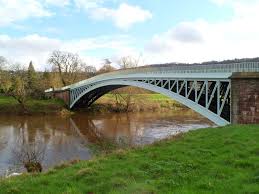
Introduction to the River Wye
The River Wye, flowing through the picturesque countryside of England and Wales, stands as one of the most celebrated rivers in the United Kingdom. Spanning approximately 135 miles and recognized as one of the key features of the Wye Valley Area of Outstanding Natural Beauty, this river plays a significant role not only in nature but also as a hub for recreation, tourism, and ecological conservation. Its importance cannot be overstated, as it supports diverse wildlife and offers countless opportunities for outdoor activities, including kayaking, fishing, and hiking.
Ecological Significance
The River Wye is renowned for its rich biodiversity. It is home to various species of fish, including salmon, trout, and grayling, making it a popular spot for anglers. The surrounding habitats support a range of wildlife, including otters and kingfishers. Conservation efforts are in place to protect these species and their habitats, focusing on maintaining water quality and riverbank stability. Recent initiatives have aimed at reducing pollution and restoring natural habitats, highlighting the ongoing commitment by local authorities and conservation groups to safeguard the river’s ecological integrity.
Tourism and Recreational Opportunities
Due to its stunning scenery and plethora of activities, the River Wye has become a sought-after destination for tourists. Popular attractions include the scenic viewpoints, historic towns along the route such as Hay-on-Wye, famous for its bookshops, and symposia on literature, and Chepstow, home to a well-preserved castle. Outdoor enthusiasts flock to the area for hiking the Offa’s Dyke Path, which runs along the river, and for water sports such as canoeing and paddleboarding. Furthermore, various local businesses have sprung up, offering guided tours, equipment rentals, and accommodations, thereby boosting the local economy.
Environmental Challenges
However, like many rivers, the River Wye faces challenges. Issues such as agricultural runoff, pollution, and climate change pose significant threats to its health. In recent years, there have been reports of deteriorating water quality, leading to the prioritization of monitoring and remediation efforts. Local environmental groups continuously advocate for responsible agricultural practices and pollution control measures to protect the river’s ecosystem and ensure it can be enjoyed by future generations.
Conclusion: The Future of the River Wye
In conclusion, the River Wye embodies a unique blend of natural beauty, recreational potential, and ecological significance. As awareness grows about the need for preservation and responsible use, it is crucial for communities, authorities, and visitors alike to work together to safeguard the future of this vital waterway. By embracing sustainable practices and supporting conservation efforts, the River Wye can continue to thrive, offering its serene landscapes and rich culture to many generations to come.