Introduction
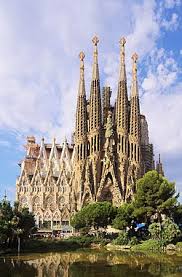
The Sagrada Familia, a breathtaking basilica located in Barcelona, Spain, is a masterpiece of architecture designed by the renowned Antoni Gaudí. Since its inception in 1882, the Sagrada Familia has become a symbol of the city and a UNESCO World Heritage site. Its intricate designs, towering spires, and profound religious significance make it a focal point for tourists and local residents alike. As the construction of this grand structure continues into the 21st century, it encapsulates the blend of artistic vision and spiritual devotion, drawing attention to Gaudí’s innovative approach to architecture.
Construction and Architectural Significance
The Sagrada Familia stands out for its unique architectural styles, combining Gothic and Art Nouveau forms. Gaudí’s elaborate design includes 18 towers, representing the 12 apostles, the Virgin Mary, the four evangelists, and Jesus Christ. What’s remarkable is that, despite the delays caused by the Spanish Civil War and funding shortages, the project has progressed significantly over the years. As of 2022, construction reached about 70% completion, with an anticipated goal to complete it by 2026, marking the centenary of Gaudí’s death. The intricate facades of the basilica, each telling a different biblical story, invite visitors to explore its rich narrative while showcasing Gaudí’s groundbreaking technique of integrating natural forms into the architectural realm.
Recent Developments and Cultural Impact
In 2023, lucrative investment efforts have been focused on both the continuing construction and conservation of the Sagrada Familia. With rising tourist numbers, expected to exceed 4.5 million annually, the basilica plays a crucial role in Barcelona’s economy and cultural identity. A notable recent event included a lighting refurbishment of the Nativity façade that introduced sustainable technologies, reducing energy consumption while enhancing the aesthetic experience for visitors. Additionally, the ongoing global interest in the site emphasizes an appreciation for Gaudí’s vision and the modern techniques used to further its construction in adherence to historical designs.
Conclusion
The Sagrada Familia stands not only as an architectural marvel but as a testament to human creativity and cultural significance. Its evolving structure represents the convergence of historical artistry and contemporary innovation. As the completion date approaches, it is projected that the Sagrada Familia will cement its position as one of the most remarkable religious buildings in the world. For both tourists and architecture enthusiasts, a visit to this iconic basilica is not just about witnessing construction but engaging in the ongoing narrative of a vision that transcends time, deeply rooted in spiritual and artistic heritage.