Introduction to Crete
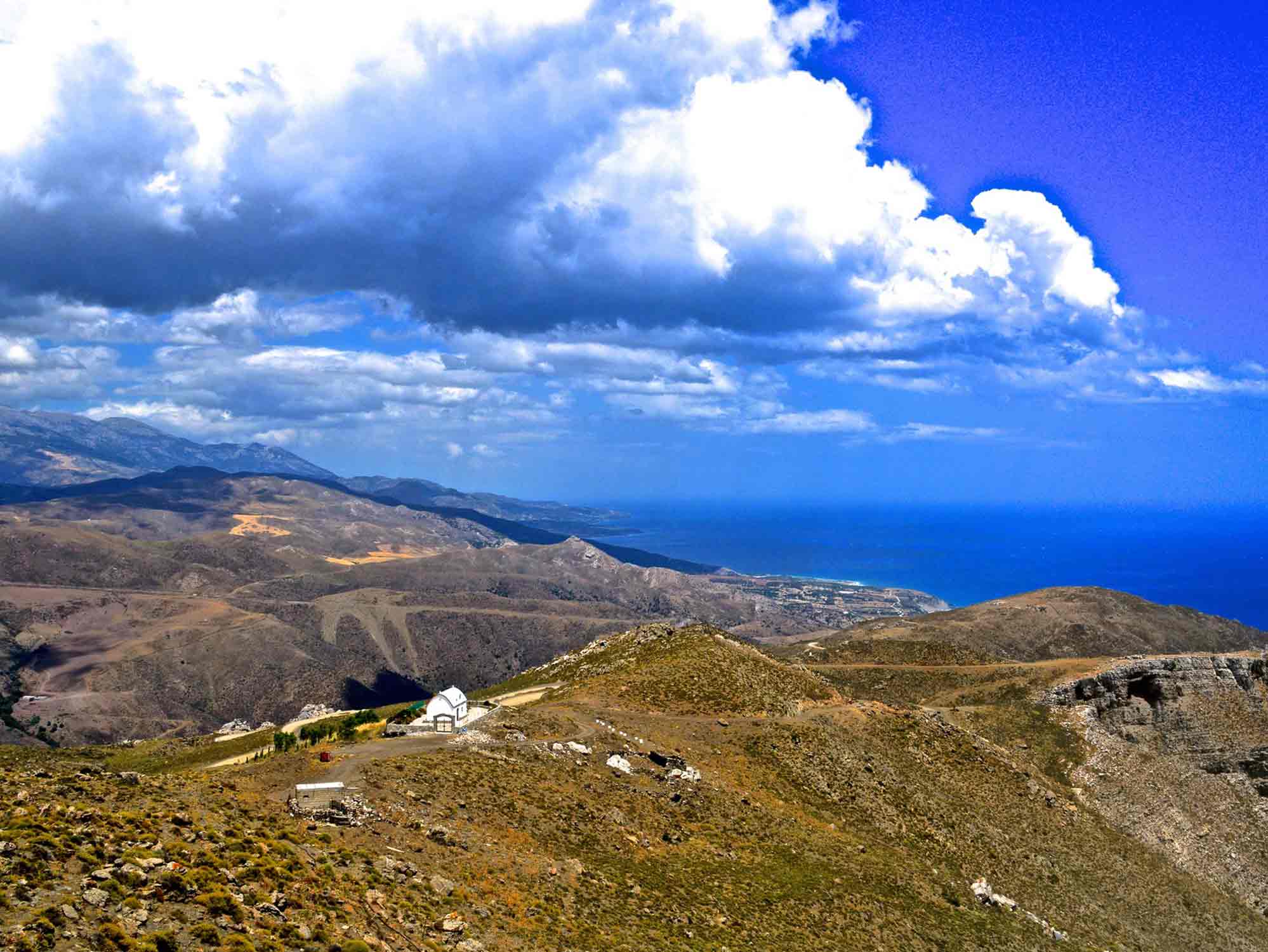
Crete, the largest of the Greek islands, is renowned for its stunning beaches, rich history, and vibrant culture. This picturesque destination attracts millions of tourists annually, drawn by its unique blend of ancient ruins, stunning landscapes, and modern conveniences. The significance of Crete goes beyond just its tourist appeal; it is a region steeped in history, being the centre of the Minoan civilization, one of the oldest known civilisations in Europe.
Major Attractions on the Island
Crete is home to numerous historical and natural attractions. The Palace of Knossos, located just south of Heraklion, is one of the most important archaeological sites in Greece. It was the centre of Minoan culture and reflects the advanced society that existed there over 3,000 years ago. Visitors can wander through the ancient ruins and marvel at the sophisticated architecture.
Another popular site is the Samaria Gorge, often regarded as one of Europe’s greatest natural wonders. This national park is perfect for hiking, offering breathtaking views and diverse wildlife. The gorge stretches for 18 kilometres, and visitors can trek the scenic path, culminating at the Libyan Sea at Agia Roumeli.
Culinary Delights
Cretan cuisine is a significant aspect of the island’s culture. Known for its emphasis on fresh, local ingredients and healthy cooking methods, traditional dishes often include olive oil, vegetables, seafood, and locally-sourced meats. Specialties such as moussaka, dakos, and seafood meze encourage visitors to indulge in the island’s culinary heritage.
Modern Crete and Tourism Trends
In recent years, Crete has experienced a surge in tourism, particularly from European countries, as well as an increase in air travel connectivity. The island has been investing in infrastructure improvements to cater to this growing influx of visitors, enhancing airports and transportation systems for smoother travel experiences. Eco-tourism has also gained traction, with increasing interest in sustainable travel options that promote local cultures and protect the island’s environment.
Conclusion: The Future of Crete as a Destination
As Crete continues to attract tourists, the island’s blend of historical significance and natural beauty will remain an essential part of its identity. The Cretan economy increasingly relies on tourism, making its preservation crucial for future generations. With ongoing investments in cultural preservation and sustainability, Crete is poised to remain a cherished destination for years to come, providing experiences that resonate with visitors’ hearts and minds.