Introduction
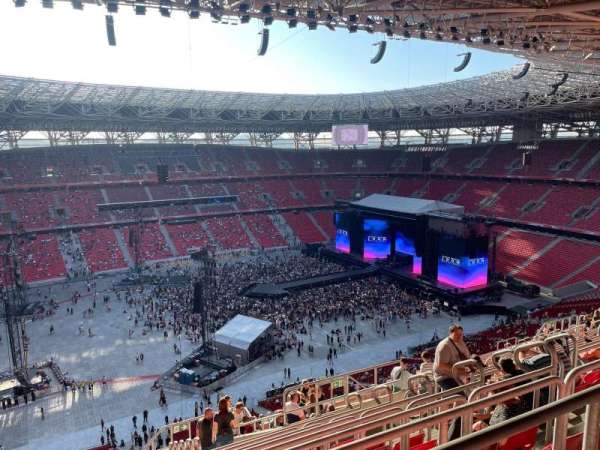
The Puskás Aréna, located in Budapest, Hungary, is a state-of-the-art football stadium that has quickly become a landmark for both sports enthusiasts and tourists. Opened in November 2019, this venue is named after the legendary Hungarian footballer Ferenc Puskás, and it serves not only as a home ground for the Hungarian national team but also as a venue for UEFA matches and various cultural events. The significance of Puskás Aréna goes beyond football; it embodies Hungary’s rich sporting heritage and its aspirations towards modernity.
Construction and Features
Construction of the Puskás Aréna began in 2017, following the demolition of the old Puskás Ferenc Stadion, which was established in 1953. Designed by the Hungarian architectural firm NMR, the new stadium has a seating capacity of 67,889, making it one of the largest stadiums in Europe. The stadium features a striking exterior with a unique lighting system that can change colours, depicting various national themes or events.
Inside, fans can enjoy cutting-edge facilities, including large screens for replays, VIP lounges, and hospitality areas. The pitch itself meets UEFA standards and incorporates a hybrid grass system to ensure optimal playing conditions. The stadium design integrates modern safety and accessibility features, including dedicated areas for individuals with disabilities.
Events and Impact
Since its inauguration, the Puskás Aréna has hosted several high-profile events, including the UEFA Euro 2020 matches, which were played in 2021 due to the pandemic. These matches not only showcased the stadium’s impressive facilities but also brought a revitalised sense of pride to Hungary’s football culture. Furthermore, the Puskás Aréna is also slated to host the UEFA Europa League final in 2023, underscoring its status as a European football hub.
Local businesses and tourism have also seen a boost from the stadium’s events. The increased foot traffic around the venue has benefited local restaurants, hotels, and other services, highlighting the economic impact of such infrastructures on their communities.
Conclusion
The Puskás Aréna is more than just a football stadium; it is a symbol of Hungary’s dedication to sports and culture. As it continues to host major events, its role in fostering national pride and economic growth will likely expand. For both football fans and casual visitors, the Puskás Aréna stands ready to deliver unforgettable experiences, firmly establishing itself as a key player in Hungary’s sporting landscape.