Introduction
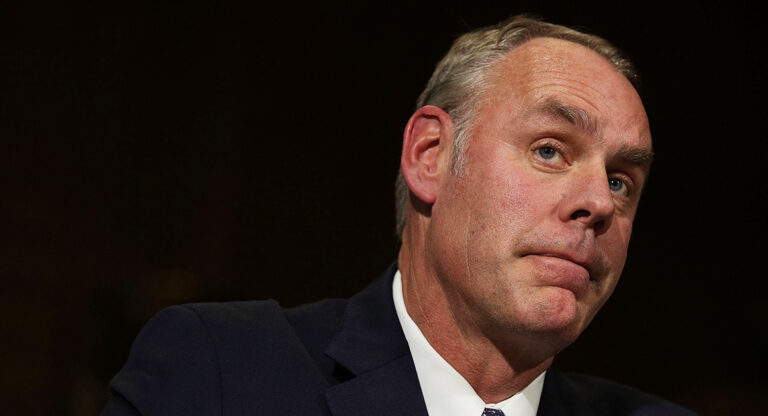
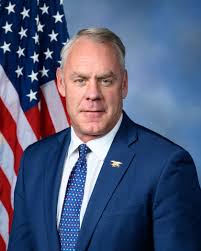
Ryan Zinke, a prominent figure in American politics, has played a significant role in shaping some of the key policies during his time as the Secretary of the Interior and as a Congressman from Montana. His decisions and policies have had lasting impacts on environmental regulations, land management, and the energy sector, making his actions a subject of considerable scrutiny and debate.
Political Career Overview
Zinke served as the Secretary of the Interior from March 2017 until January 2019 under the Trump administration, where he was responsible for managing the nation’s natural resources and cultural heritage. His term was marked by a push for increased energy production on federal lands and a roll-back of several environmental protections put in place by previous administrations. Before his cabinet position, he served in the U.S. House of Representatives from 2015 to 2017, where he focused on issues pertinent to Montana, including public land access and veteran affairs.
Controversies and Investigations
During his time in office, Zinke faced numerous controversies. Notably, he was the subject of several investigations concerning his travel expenses and alleged misuse of government resources, as well as conflicts of interest regarding business dealings tied to companies that were allowed to influence government policies. Ultimately, he resigned from his position to avoid further distractions, and his departure was often viewed as a necessary step for the Trump administration to distance itself from various ethical concerns.
Post-Political Career
Following his departure from the Department of the Interior, Zinke returned to his roots in Montana where he remains an influential figure within the Republican Party. He has hinted at a possible return to politics and has voiced strong opinions regarding current environmental policies and federal land management, garnering both support and opposition. His future political ambitions could resonate strongly in the context of ongoing debates about energy independence and conservation.
Conclusion
Ryan Zinke’s political career encapsulates the ongoing tensions in U.S. environmental and energy policies. His contributions, both praised and criticized, reflect the broader challenges facing policymakers in balancing economic development with environmental stewardship. As he contemplates his next move, Zinke’s influence on future legislation and the Republican landscape could be pivotal, especially as the country navigates increasingly complex environmental issues in the coming years.