Introduction
Stockholm Syndrome is a psychological phenomenon where hostages develop affection or sympathy for their captors. This intriguing condition has drawn interest from psychologists, sociologists, and the general public, especially in light of various high-profile kidnapping cases. Understanding the dynamics of Stockholm Syndrome not only sheds light on hostage situations but also on broader aspects of human psychology, power relationships, and survival instinct.
Origin of the Term
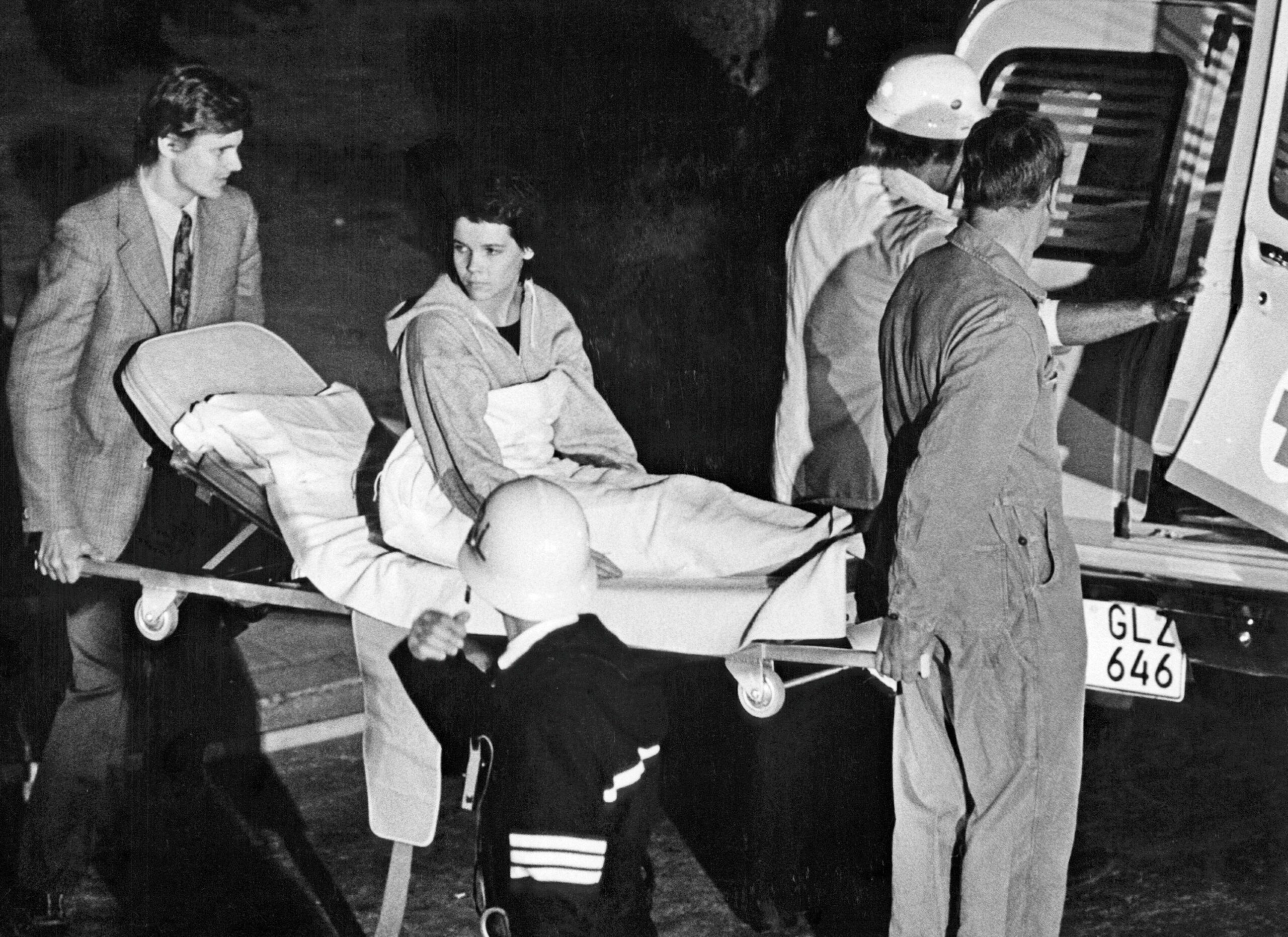
The term ‘Stockholm Syndrome’ originated from a bank robbery that occurred in Stockholm, Sweden, in August 1973. During a six-day standoff, hostages were taken, and some began to identify and sympathise with their captors. This incident sparked interest and inquiry into why victims might develop a bond with their aggressors, challenging conventional understandings of victim-captor relationships.
The Psychological Mechanisms
Psychologists suggest several factors may contribute to the development of Stockholm Syndrome. One major theory revolves around the stress and trauma experienced by the victim, which can lead to a survival mechanism activating strong relational bonds with the captors, who, despite their actions, become the primary source of interaction. Additionally, physiological responses – particularly those like fear and distress combined with moments of kindness from the captor – can create a disorienting emotional environment for the victim, blurring the lines between threat and safety.
Real-World Examples
Stockholm Syndrome has been observed in various high-profile cases, including the 1974 kidnapping of Patty Hearst, an American heiress who ultimately joined her captors in a bank robbery, expressing loyalty towards them. Similarly, in modern narratives like that of the popular film and novel ‘Beauty and the Beast’, elements of Stockholm Syndrome are echoed, showcasing how complex interpersonal dynamics can often mirror psychological realities. These examples illustrate the multifaceted nature of human emotions in extreme situations.
Implications and Conclusions
Understanding Stockholm Syndrome is crucial for law enforcement, mental health professionals, and society as a whole. By unpacking this phenomenon, professionals can better address the needs of victims in traumatic scenarios. Furthermore, recognising the signs can lead to improved interventions during hostage situations. Given the rise of such incidents globally, the significance of public awareness around the complexities of Stockholm Syndrome continues to grow. Contentions surrounding victim psychology and societal implications encourage ongoing discussions in both clinical and educational contexts.
In conclusion, Stockholm Syndrome remains a complex, often misunderstood phenomenon with significant psychological implications. By continuing to explore and understand it, we can foster both greater empathy and more effective responses to those who endure extreme psychological stress.