Introduction to London Boroughs
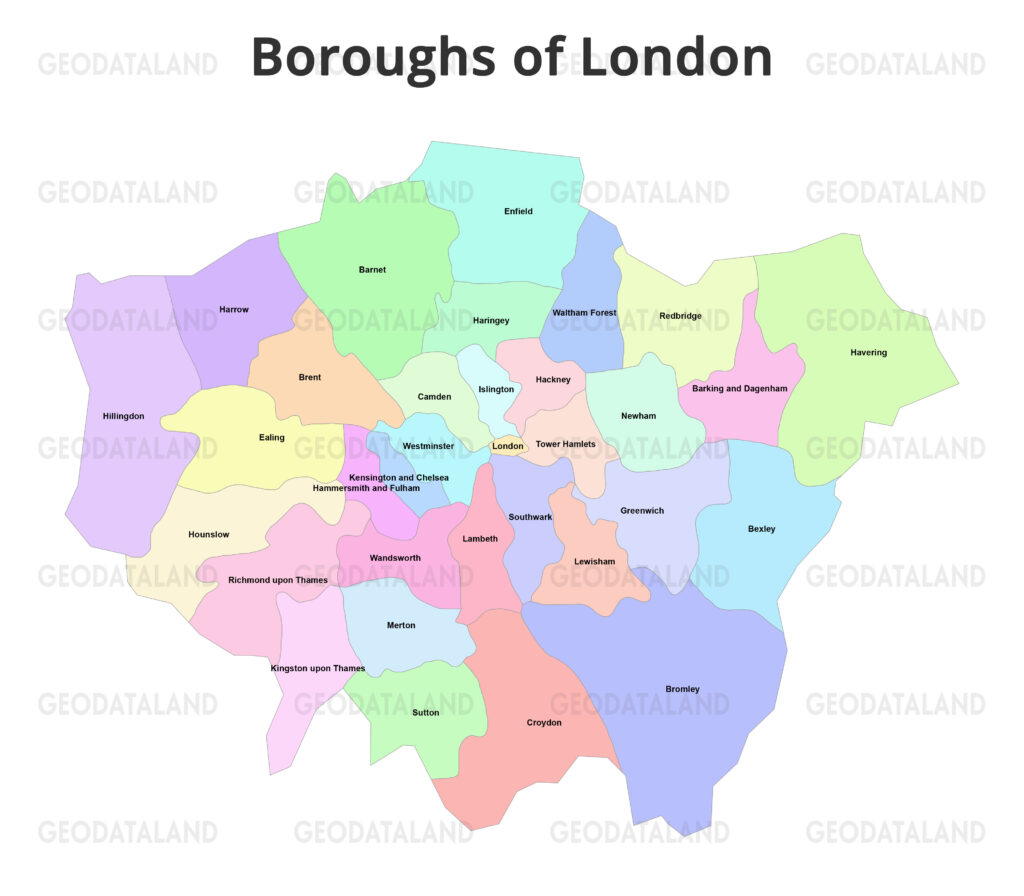
London, the capital of the United Kingdom, is divided into 32 boroughs, each with its own distinct identity, culture, and governance. These boroughs play a crucial role in the city’s administration and significantly influence the local services and quality of life for residents. Understanding the dynamics of these boroughs is essential for grasping the challenges and developments within one of the world’s most vibrant cities.
A Breakdown of the Boroughs
The London boroughs vary greatly in terms of population, socioeconomic status, and community resources. For instance, boroughs like Camden and Kensington and Chelsea are known for their affluent residents and historic landmarks, while boroughs such as Barking and Dagenham and Newham are characterised by their more diverse populations and economic challenges. Each borough is governed by a local council, responsible for providing education, transportation, housing, and social services.
Recent Developments in London Boroughs
As of late 2023, London boroughs have been facing several pressing issues, including housing shortages, rising costs of living, and the impact of the COVID-19 pandemic. Many councils are working to address these challenges by implementing innovative housing policies and public services. Tower Hamlets, for instance, has introduced plans to transform underutilised public spaces into affordable housing units. Meanwhile, Lambeth has launched a green initiative aimed at increasing green spaces and parks throughout the borough, responding to residents’ growing concerns about climate change.
The Role of Community and Local Governance
Community engagement remains integral to the success of local governance in the boroughs. Borough councils have increasingly embraced digital platforms to allow residents to participate in decision-making processes. For example, the Richmond upon Thames council has implemented a ‘Participatory Budgeting’ scheme enabling local residents to vote on community projects. This approach not only ensures transparency but also strengthens local ties among residents.
Conclusion and Future Outlook
The significance of London boroughs cannot be overstated, as they are the bedrock of local governance and community identity in the capital. Looking ahead, the boroughs will need to adapt to ongoing changes, such as population growth and economic pressures. Fostering collaboration among boroughs and encouraging active community participation will be vital as London navigates future challenges. For residents, understanding their borough’s unique context will be essential in making informed decisions about their lives and communities.