Introduction
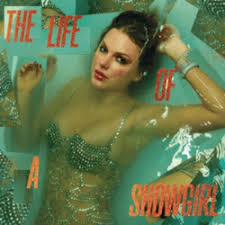
The life of a showgirl has long captivated the public’s imagination, fuelled by images of glittering costumes, mesmerizing dance routines, and vibrant performances. As an essential component of entertainment industries, particularly in cabarets and large-scale productions, showgirls play a crucial role in the theatrical narrative. This article delves into the realities behind the glamour, revealing the dedication and hard work that define the profession.
The Journey to Becoming a Showgirl
Many aspiring showgirls begin their journey at a young age, often in dance schools or performing arts programs. Training typically focuses on skills such as dance, acting, and vocal performance. Rigorous physical conditioning is also a necessity, as showgirls must maintain peak fitness to perform long hours on stage, often in high-energy environments.
Competition is fierce; auditioning for roles involves not just talent, but also presenting a specific image. The world of showgirls is influenced heavily by current fashion and aesthetics, meaning performers must keep up with evolving trends. Networking within the entertainment industry is crucial, as many roles are filled through personal connections rather than open auditions.
The Daily Life
Once a showgirl lands a role, their daily routine can be grueling. Performance schedules often require rehearsals during the day and shows at night, leaving little room for personal time. Additionally, showgirls must adhere to strict health and beauty regimens, including balanced diets and skincare routines, to look their best in front of audiences.
The camaraderie among performers plays a significant role in maintaining morale. Showgirls often form close bonds with one another, sharing tips and supporting each other through the pressures of the job. This supportive community can help alleviate the stresses associated with the industry.
Balancing Artistry and Challenges
Despite the glamour, the life of a showgirl includes significant challenges. Showgirls face the physical demands of dancing for hours while wearing elaborate costumes that can weigh several pounds. They must also navigate the realities of job security, as contracts can be short-term, often resulting in inconsistent income.
Moreover, mental health is a growing concern. The pressure to maintain a public persona and the challenges of competition can lead to anxiety and self-doubt. Many performers now advocate for mental well-being, using their platforms to share their experiences and encourage others to seek help when needed.
Conclusion
The life of a showgirl is a fascinating mix of artistry, hard work, and resilience. While they may appear to be living a dream, behind the scenes lies an intricate balance between glamour and grueling effort. As audiences continue to appreciate their artistry, it is crucial to recognise and celebrate the hard work and sacrifices made by showgirls in the pursuit of their passion. Looking forward, the perception of showgirls may continue to evolve, with a growing emphasis on diversity and mental health, challenging traditional stereotypes and paving the way for a more inclusive future in entertainment.