Introduction
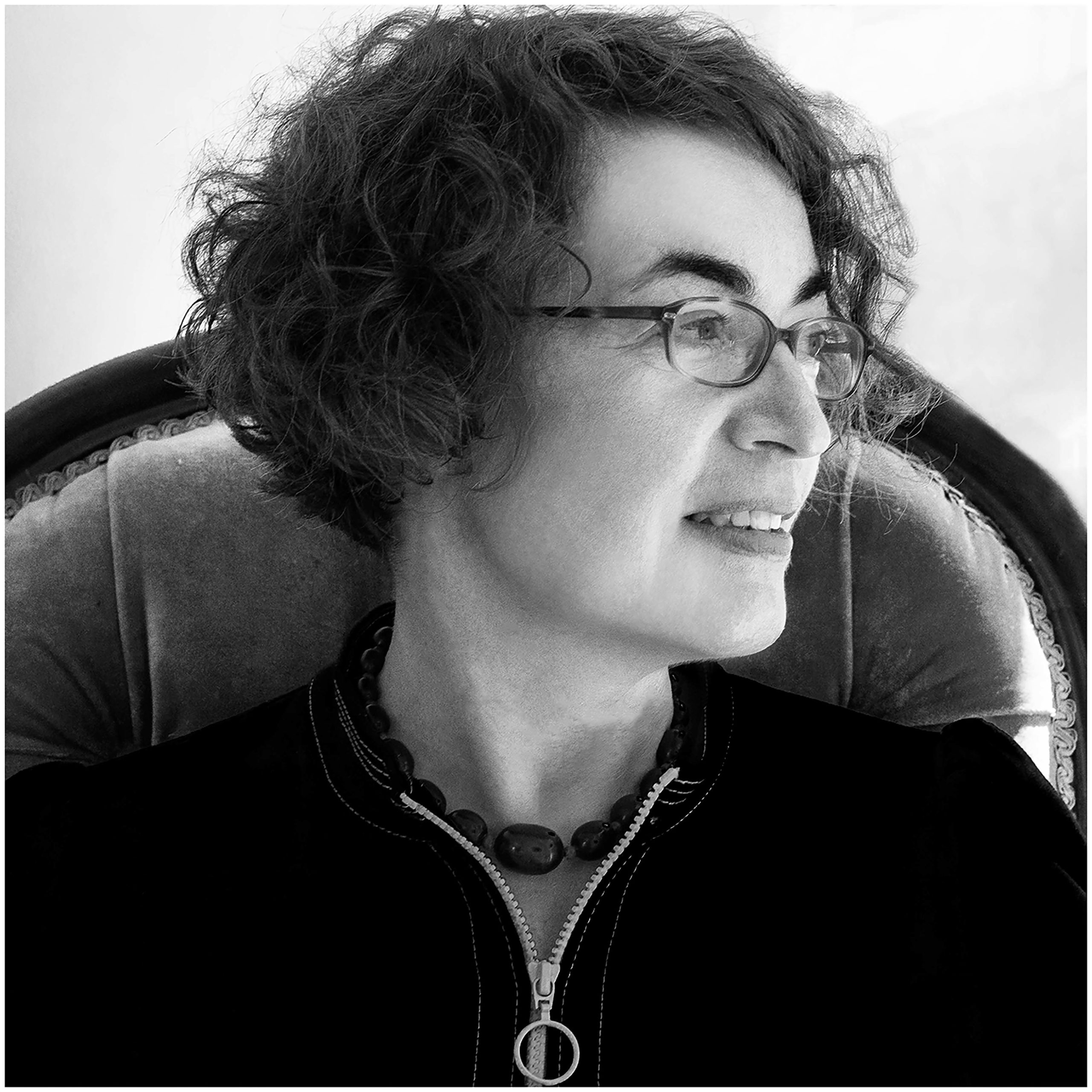
Kate Clanchy is a prominent figure in contemporary British literature, known for her profound contributions as a poet, memoirist, and educator. Her works often explore themes of identity, belonging, and the complexities of personal narratives.
Significant Works and Achievements
Clanchy’s literary career has garnered notable praise, particularly for her poetry collections such as ‘Not Quite a Diary’ and ‘Newborn’. Her memoir, ‘Some Kids I Taught and What They Taught Me’, received widespread acclaim, winning the Orwell Prize in 2021. Through her candid reflections, Clanchy sheds light on her experiences teaching in diverse settings and the richness of her students’ stories.
In recent years, she has been involved in public discourse regarding representation in literature, focusing on her assertion that the narratives of students from varied backgrounds are often overlooked. This has spurred discussions about inclusivity and the importance of diverse voices in the publishing industry.
Activism and Advocacy
Beyond her writing, Clanchy has actively campaigned for educational reform and the importance of fostering creativity within schools. She believes that poetry and creative writing can be powerful tools for self-expression and introspection, particularly among young people.
Recent Developments
In 2023, Clanchy has continued to engage with readers and aspiring writers through workshops and public speaking events. Her social media presence has also been a significant platform for discussing contemporary issues in literature, particularly those surrounding identity and authenticity in storytelling.
Conclusion
Kate Clanchy’s contributions to literature and education illustrate the intricate relationship between personal narrative and wider societal themes. As discussions about representation, inclusivity, and authenticity continue to evolve, Clanchy’s voice remains a vital part of the conversation. Her influence inspires both established and emerging authors to reflect on their own identities and the stories they choose to tell, fostering a more inclusive literary landscape for future generations.



