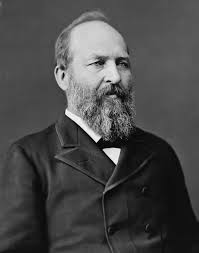
Introduction to James Garfield
James A. Garfield, the 20th President of the United States, serves as a significant figure in American history. His presidency, although tragically cut short by assassination, was marked by attempts at civil service reform and economic modernization. Understanding Garfield’s life and legacy is crucial to appreciate the complexities of his time and the challenges he faced as president.
Early Life and Political Rise
Born on November 19, 1831, in Moreland Hills, Ohio, Garfield experienced a modest upbringing. He worked his way through college, attending Williams College in Massachusetts and proving his academic abilities early on. After graduating, Garfield became a teacher and later a preacher before entering politics. His career in public service began when he was elected to the Ohio State Senate in 1859. An advocate for education and infrastructure, Garfield’s reputation grew, leading to his election to the U.S. House of Representatives in 1863.
Presidency and Challenges
In 1880, Garfield was nominated as the Republican candidate for president, a surprising choice that stemmed from a deadlock at the Republican National Convention. Winning a contentious election against Democrat Winfield Scott Hancock, he assumed the presidency on March 4, 1881. During his brief tenure, Garfield focused on reforms aimed at dismantling the spoils system, which rewarded political loyalists with government jobs regardless of their qualifications. This effort put him at odds with powerful factional leaders within his own party.
Assassination and Legacy
Tragically, Garfield’s presidency was cut short when he was shot by Charles J. Guiteau on July 2, 1881, at the Washington, D.C. train station. Garfield succumbed to his injuries on September 19, 1881, after months of suffering, marking the second assassination of a sitting president. His death sparked widespread public outcry that ultimately led to the Pendleton Civil Service Reform Act of 1883, establishing a merit-based system for federal employment.
Conclusion: The Importance of James Garfield’s Story
James Garfield’s presidency, though brief, remains relevant today as it illustrates the ongoing struggles between political factions and the necessity for reform within American politics. His commitment to education and civic duty continues to inspire new generations in their pursuit of public service. As historians and citizens reflect on his life’s impact, Garfield embodies the complexities and challenges that define American leadership, serving as a reminder of the importance of integrity and public service in politics.