Introduction: The Significance of Aston Martin
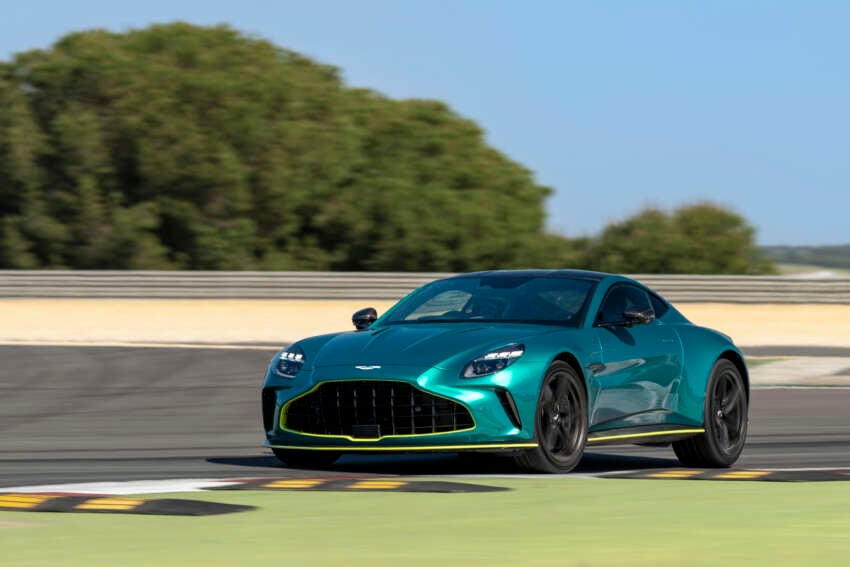
Aston Martin has long been synonymous with luxury, performance, and British engineering excellence. Founded in 1913, the brand has become an icon in the automotive industry, showcasing a perfect blend of style and technical sophistication. Its relevance remains strong today as Aston Martin continues to innovate while staying true to its roots.
A Brief History of Aston Martin
The brand was established by Lionel Martin and Robert Bamford, bringing together their passion for racing and craftsmanship. It quickly gained a reputation for producing high-quality sports cars. Over the decades, Aston Martin’s models—like the DB series—have become symbols of glamour and exclusivity. In recent years, the company has expanded its offerings, introducing electric variants and new designs to attract a wider audience.
Recent Developments
As of 2023, Aston Martin is undergoing a transformative phase aimed at securing its position in the competitive automotive market. The launch of the DBX707, the most powerful luxury SUV to date, signifies Aston Martin’s commitment to meeting the demands of a changing consumer base while enhancing its performance pedigree. The DBX707 features a 4.0-litre twin-turbo V8 that delivers an impressive 707 horsepower, illustrating the brand’s technological advancements and dedication to performance.
Additionally, Aston Martin has announced its plans for electric vehicles, with a strategic roadmap leading to its first fully electric model expected in 2025. This ambition aligns with global trends towards sustainability and increased environmental awareness, signifying an exciting new chapter for the brand.
Aston Martin and Its Cultural Impact
Aston Martin’s influence extends beyond the automotive world into popular culture. It became globally recognised through its association with the James Bond franchise, with iconic models like the DB5 featuring prominently in multiple films. This connection not only elevated the brand’s prestige but also established a cultural phenomenon where Aston Martins are seen as symbols of sophistication and adventure.
Conclusion: The Future of Aston Martin
As Aston Martin navigates an evolving landscape, its blend of heritage and modernity positions it favourably in the luxury segment. With ambitious plans for electric vehicles and continued innovation in design and performance, the brand is poised to maintain its status as a leader in the automotive industry. The significance of Aston Martin is more than just its luxury image; it represents the ongoing evolution of craftsmanship, performance, and the legacy of British engineering.