Introduction
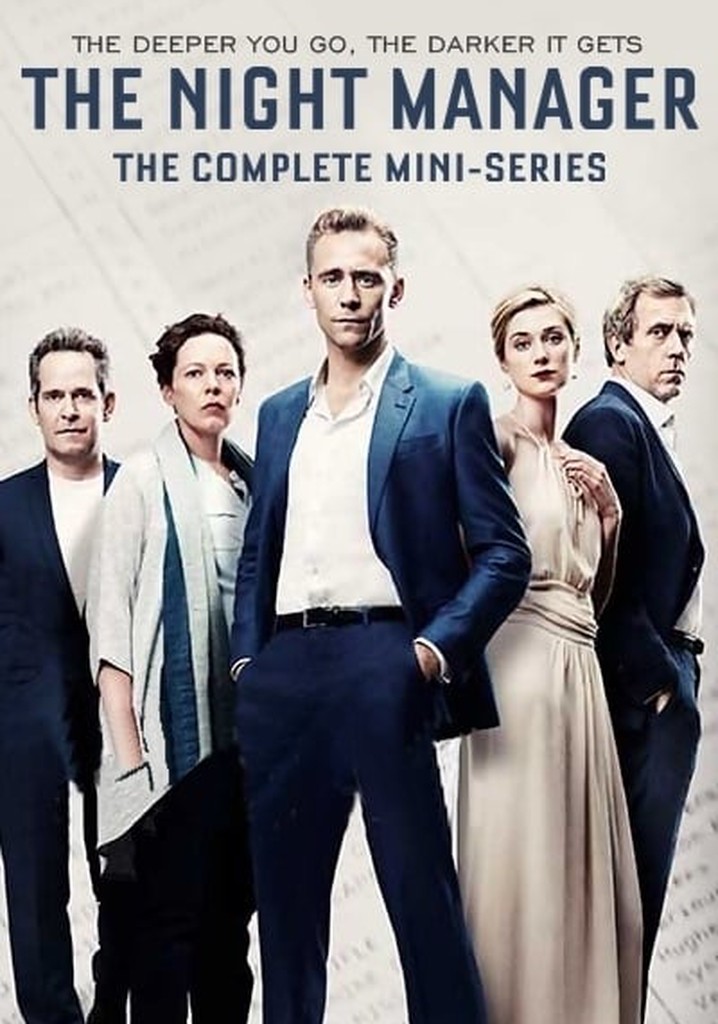
‘The Night Manager’, adapted from John le Carré’s novel, has captivated audiences with its blend of espionage, drama, and exceptional performances. Premiering in 2016, the miniseries has garnered significant acclaim, leading to renewed interest in the world of spy dramas. As geopolitical tensions rise globally, the themes of trust, betrayal, and moral ambiguity in ‘The Night Manager’ resonate with audiences more than ever.
Overview of the Series
The series stars Tom Hiddleston as Jonathan Pine, a former soldier who becomes embroiled in a dangerous web of espionage after meeting the enigmatic arms dealer Richard Roper, portrayed by Hugh Laurie. With a plot steeped in intrigue, the narrative follows Pine’s transformation from a hotel manager into a reluctant spy tasked with infiltrating Roper’s operation. The series, directed by Susanne Bier, was praised not only for its thrilling plot but also for its lush cinematography and excellent pacing.
Critical Reception
‘The Night Manager’ received widespread critical acclaim, currently holding a high rating on major review aggregators. Critics highlighted the performances of both Hiddleston and Laurie, alongside a strong supporting cast that included Olivia Colman and Elizabeth Debicki. The series won multiple awards, including a BAFTA for Best Mini-Series, showcasing its cultural significance in the television landscape.
Impact and Influence
The renewed interest in spy and thriller genres, partially driven by global political shifts, has seen a resurgence of similar narratives in film and television. Following the success of ‘The Night Manager’, producers are exploring adaptations of more literary works as audiences crave sophisticated storytelling coupled with rich character arcs. Furthermore, the series has inspired a range of merchandise and discussions about character motivations, highlighting its impact on pop culture.
Conclusion
As discussions about potential sequels and spin-offs continue to circulate, ‘The Night Manager’ stands as a benchmark for future adaptations of espionage narratives. With its intricate storytelling and complex characters, the series remains a relevant topic for viewers intrigued by the layers of morality within espionage. The blend of entertainment with critical analysis encourages viewers to engage with the ever-evolving landscape of geopolitical narratives in modern storytelling.