Introduction
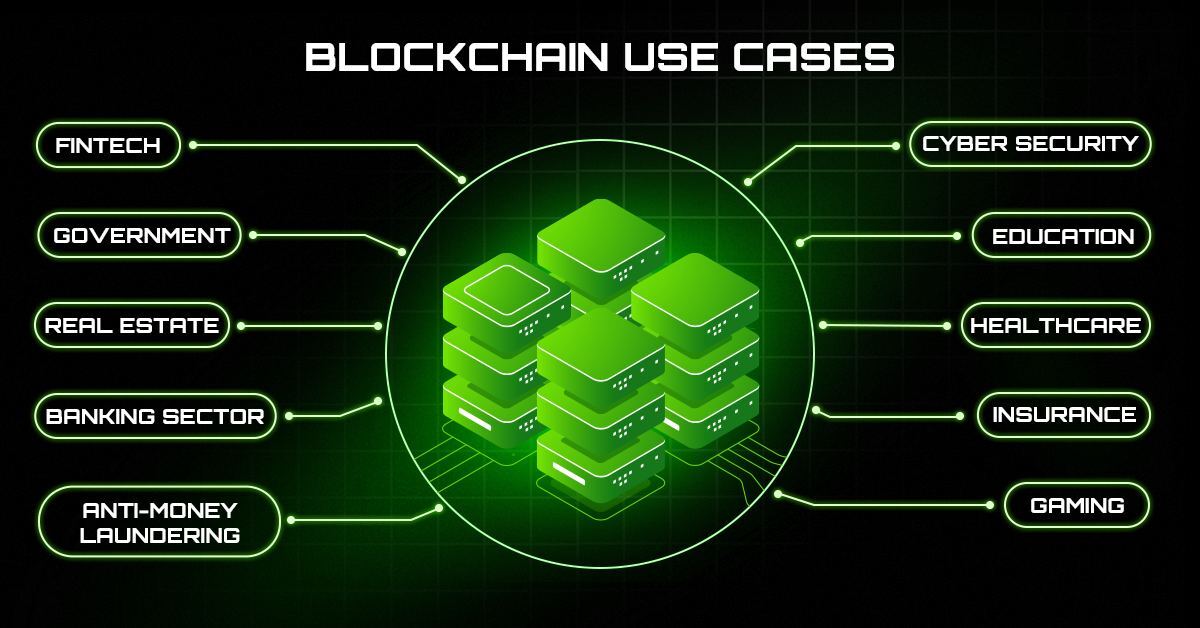
Blockchain technology is no longer just the backbone of cryptocurrencies; it has rapidly evolved to become integral across numerous sectors. Its importance lies in its ability to provide transparent, secure, and decentralised solutions to various logistical, financial, and operational challenges faced by businesses today. As we move through 2023, the applications of blockchain continue to expand, demonstrating its revolutionary potential in traditional systems and operations.
Current Developments and Applications
Several sectors have begun to adopt blockchain technologies to enhance their operations. In finance, for instance, Blockchain is being utilised for secure peer-to-peer transactions without intermediaries, reducing fees and increasing transaction speeds. Companies like Ripple and Stellar are paving the way for faster cross-border payments.
In addition to finance, blockchain applications extend to supply chain management. IBM’s Food Trust blockchain enables traceability from farm to table, allowing consumers to track the source of their food products and ensuring authenticity and safety. Major retailers, including Walmart, have successfully implemented this technology, enhancing transparency and reducing food fraud.
The healthcare sector is also experiencing a significant transformation due to blockchain. Patient records can be securely stored and shared amongst healthcare professionals, ensuring both privacy and accuracy. Projects such as MedRec are demonstrating how blockchain can facilitate ownership of health information, giving patients more control over their data.
Moreover, blockchain technology is gaining traction in the realm of digital identity. Initiatives like SelfKey and uPort aim to empower individuals by providing them with a secure and decentralised way to manage their identity, reducing the risk of identity theft.
Future Implications and Significance
As we look ahead, the significance of blockchain applications cannot be overstated. Experts predict that by 2025, blockchain markets may surpass the $60 billion mark, driven by increasing interest from enterprises seeking improved operational efficiencies. Furthermore, the integration of Artificial Intelligence (AI) and Internet of Things (IoT) with blockchain is expected to bring about more automated and intelligent systems.
For readers, understanding the rapid evolution and implications of blockchain technology is crucial, as its applications may soon influence many aspects of daily life, from secure financial transactions to transparent sourcing of products. The developments in blockchain applications signify a shift towards increased decentralisation and empowerment for individuals and businesses alike.
Conclusion
In summary, blockchain technology is proving to be more than just a passing trend. Its applications are enhancing transparency, security, and efficiency in numerous industries, clearly showcasing its potential to redefine the future of how we conduct business. As 2023 progresses, staying informed about these developments will empower businesses and individuals to adapt and thrive in an increasingly digital world.