Introduction
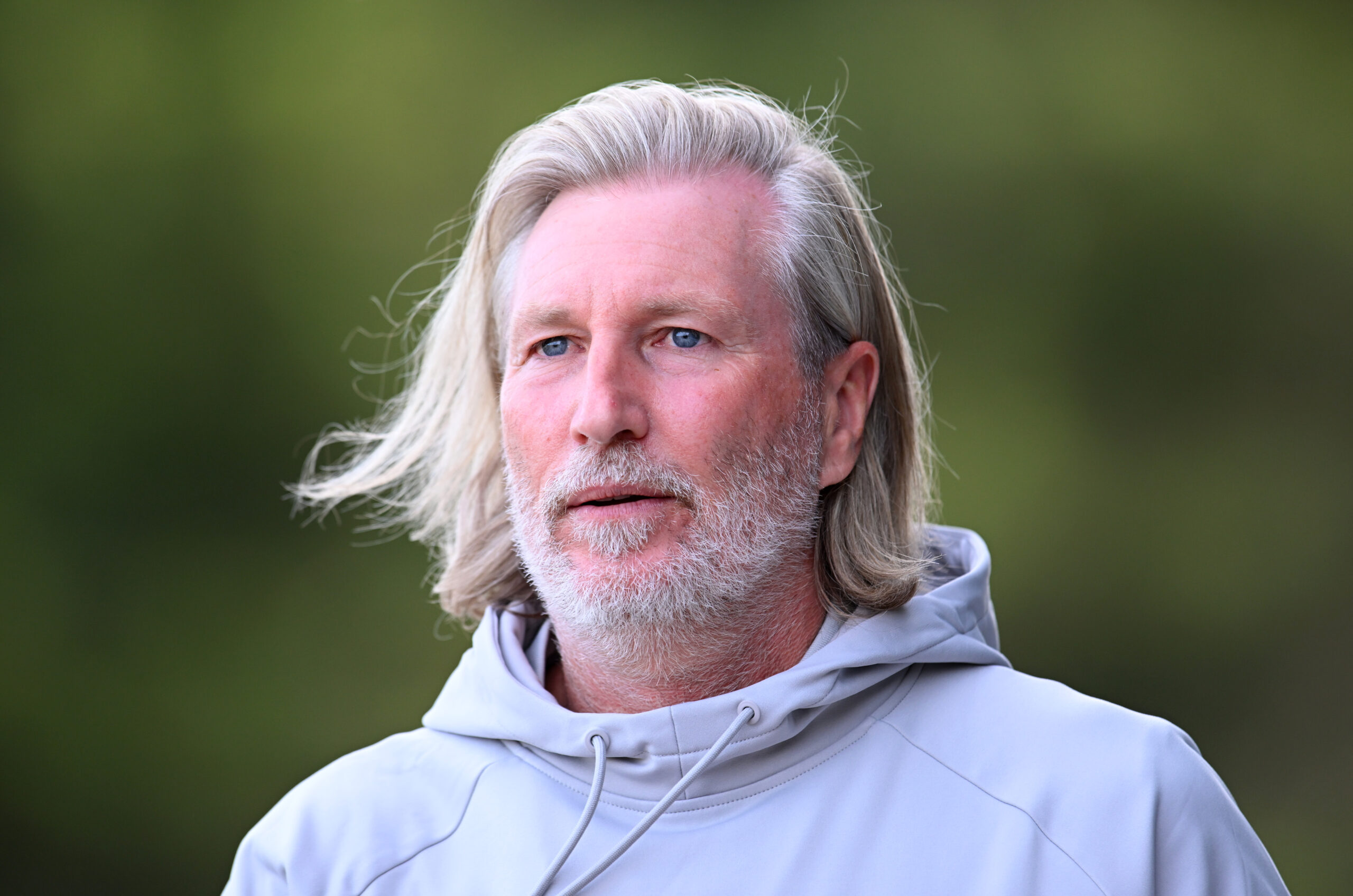
Robbie Savage, a name synonymous with the world of football, is well-known not only for his playing career but also for his vibrant personality in the media. As a prominent figure within the sport, his contributions extend beyond the pitch, influencing discussions around football in contemporary society. Understanding Savage’s path from a professional player to a media personality illustrates the evolving relationship between athletes and their representation in the sporting world.
Robbie Savage’s Playing Career
Born on October 18, 1974, in Wrexham, Wales, Robbie Savage began his professional career at Manchester United in 1992, although he didn’t make a significant impact at the club before moving to Leicester City. Over a career spanning nearly two decades, Savage played for various clubs, including Birmingham City and Derby County, becoming known for his tenacity, midfield prowess, and often controversial style of play. His tenure in the Premier League saw him become a fan favourite, especially for his emotional celebrations and antics on the field.
Transition to Media Personality
After retiring from football in 2011, Savage transitioned seamlessly into a career in sports media. He quickly became a familiar face on British television, known for his forthright opinions and engaging commentary. As a presenter on BBC Radio 5 Live, Savage has attracted a wide audience and continues to generate discussion about current football events. His authenticity and approach have led to a broad platform where he addresses various topics surrounding the beautiful game.
Current Role and Influence
Currently, Robbie Savage is not only a commentator but also a pundit, participating in various football-related shows. His ability to connect with fans through social media and television has made him a relatable figure, often sharing his insights about both on-field incidents and off-field issues such as mental health in sport. Furthermore, Savage has become a vocal advocate for young players striving to make a mark in the sport, utilizing his platform to mentor and assist emerging talents.
Conclusion
Robbie Savage’s evolution from a professional footballer to a prominent media figure serves as a testament to the dynamic role of athletes in society. As he continues to influence football discussions, it is evident that his legacy is shaped not just by his performances on the pitch but also by his passion for the sport and his dedication to engaging with audiences. Looking forward, Savage’s voice will likely play a crucial role in shaping conversations about football, making him an enduring figure in the sporting landscape.