Introduction
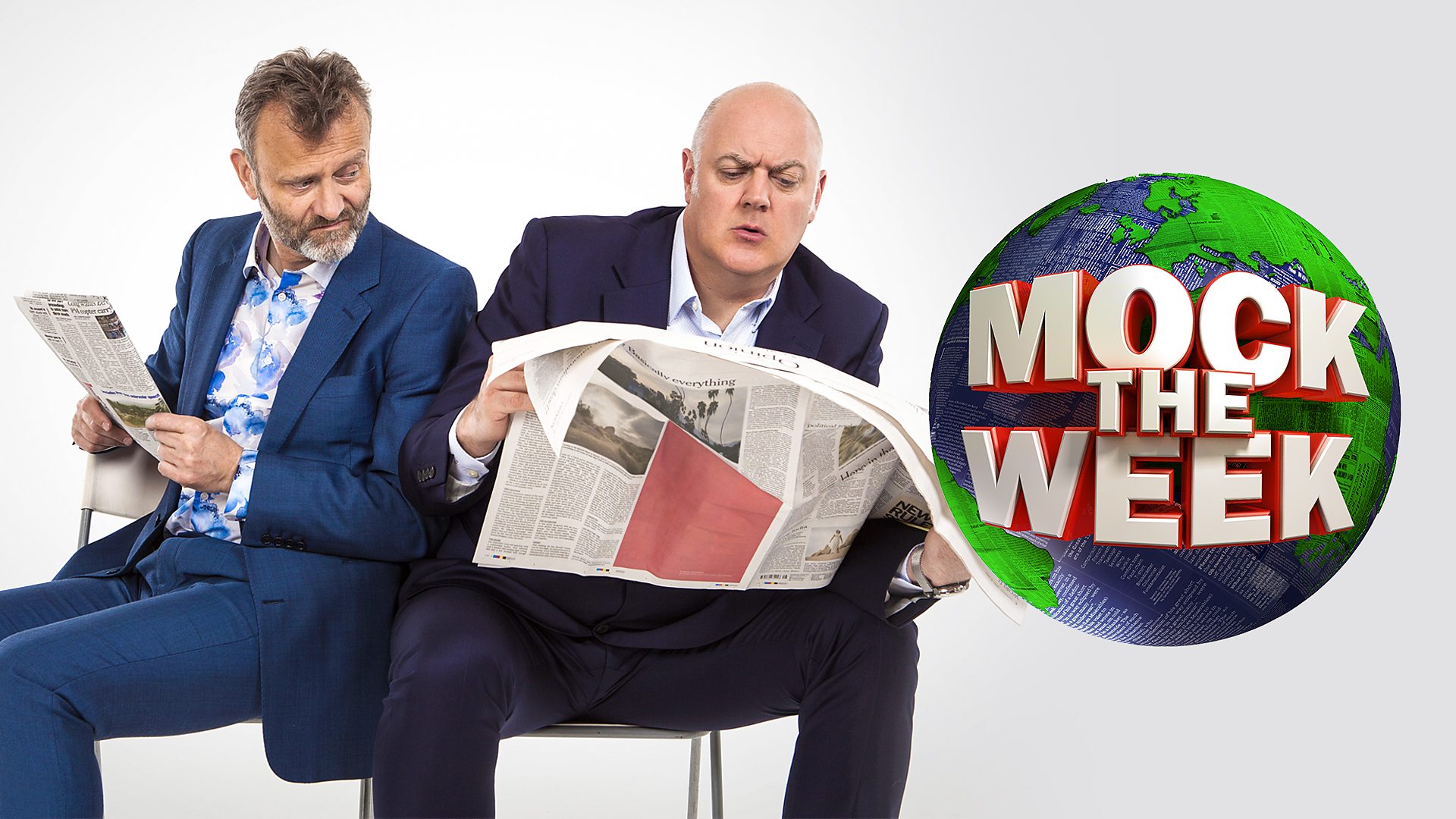
Since its debut in 2005, ‘Mock the Week’ has become a staple of British television, blending current affairs with satirical comedy. Created by Dan Patterson and Mark Leveson, this panel show has offered viewers a humorous take on the week’s news through the lens of some of the UK’s sharpest comedians. Its importance lies not only in providing entertainment but also in fostering a cultural discourse through humour, making it a significant part of the British comedy landscape.
Format and Notable Moments
‘Mock the Week’ consists of two teams of comedians who engage in various rounds that challenge their knowledge of current events while testing their improv skills. The format typically includes rounds such as “If This Is the Answer, What Is the Question?” and the iconic “Headliners.” Over the years, the show has featured a rotating roster of guests, including famous names like Dara Ó Briain, Hugh Dennis, and Angela Rayner, adding to the dynamic atmosphere.
One notable aspect of ‘Mock the Week’ is its willingness to address controversial subjects with humour. For instance, during the pandemic, comedians creatively navigated sensitive topics such as lockdowns and government policies while keeping the audience engaged. Such moments often resonate deeply with viewers, reflecting the shared experiences and frustrations of everyday life.
Recent Developments
The show has faced challenges due to changing viewer habits and the saturation of similar formats in British television. In 2022, the production adapted to a post-pandemic landscape by integrating more virtual audience participation, ensuring interaction while maintaining safety protocols. This adaptability highlights the resilience of the series and its commitment to staying relevant.
Conclusion
As ‘Mock the Week’ continues its run, it remains a significant platform for comedians to comment on social and political issues while making audiences laugh. Its impact is evident in how it influences public perception of news events and popular culture. Looking ahead, whether through traditional broadcast or digital platforms, the show is set to remain a cornerstone of British entertainment, inviting viewers to not only laugh but to think critically about the world around them.