Introduction
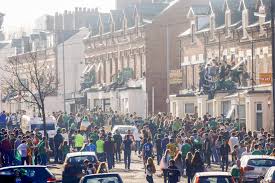
The Holylands area of Belfast is a vibrant and dynamic neighbourhood primarily known for its strong student population, owing to its proximity to Queen’s University. This area serves as a focal point for the academic community, embodying a rich blend of cultural diversity and youthful energy. Understanding the Holylands is essential for grasping the student experience in Belfast as well as the social and economic impact it has on the city.
A Historical Overview
The Holylands encompasses a series of streets located just south of the Queen’s University campus. Historically, the area has served as one of the main residences for students from various backgrounds. Over the years, its housing stock has evolved from Victorian and Edwardian homes to accommodate the influx of students, transforming the area into a lively hub filled with cafes, shops, and communal spaces.
The Student Experience
Life in the Holylands offers students a unique experience, characterised by its vibrant nightlife, local eateries, and community feel. Bars and pubs that cater specifically to the student demographic not only provide a space for socialisation but also contribute significantly to the local economy. With events, live music, and themed nights, there is always something happening, making it an attractive location for both residents and visitors alike.
Challenges Faced by the Community
While the lively atmosphere is often celebrated, the Holylands does face several challenges. Noise complaints have been a point of contention, with local residents expressing concern over disruptive behaviour attributed to the student population, especially around exam periods or major celebrations. In response, community associations, alongside the university, have been working on initiatives to promote responsible behaviour and foster better relationships between students and long-term residents.
Future Developments
Looking ahead, the Holylands is set to undergo further changes as more student accommodation projects are underway. The aim is to provide more quality living conditions, decreasing the pressure on traditional housing and minimising conflicts with established residents. These developments are expected to enhance the overall living conditions while enriching the community with modern amenities.
Conclusion
The Holylands remains an integral part of Belfast’s cultural tapestry, representing the youthful spirit of the city. As a home for students, it not only affects local dynamics but also contributes to the broader economic landscape of Belfast. Balancing the interests of both students and residents will be crucial for sustaining its charm and vibrancy, making it a unique area in Northern Ireland’s capital.



