Introduction
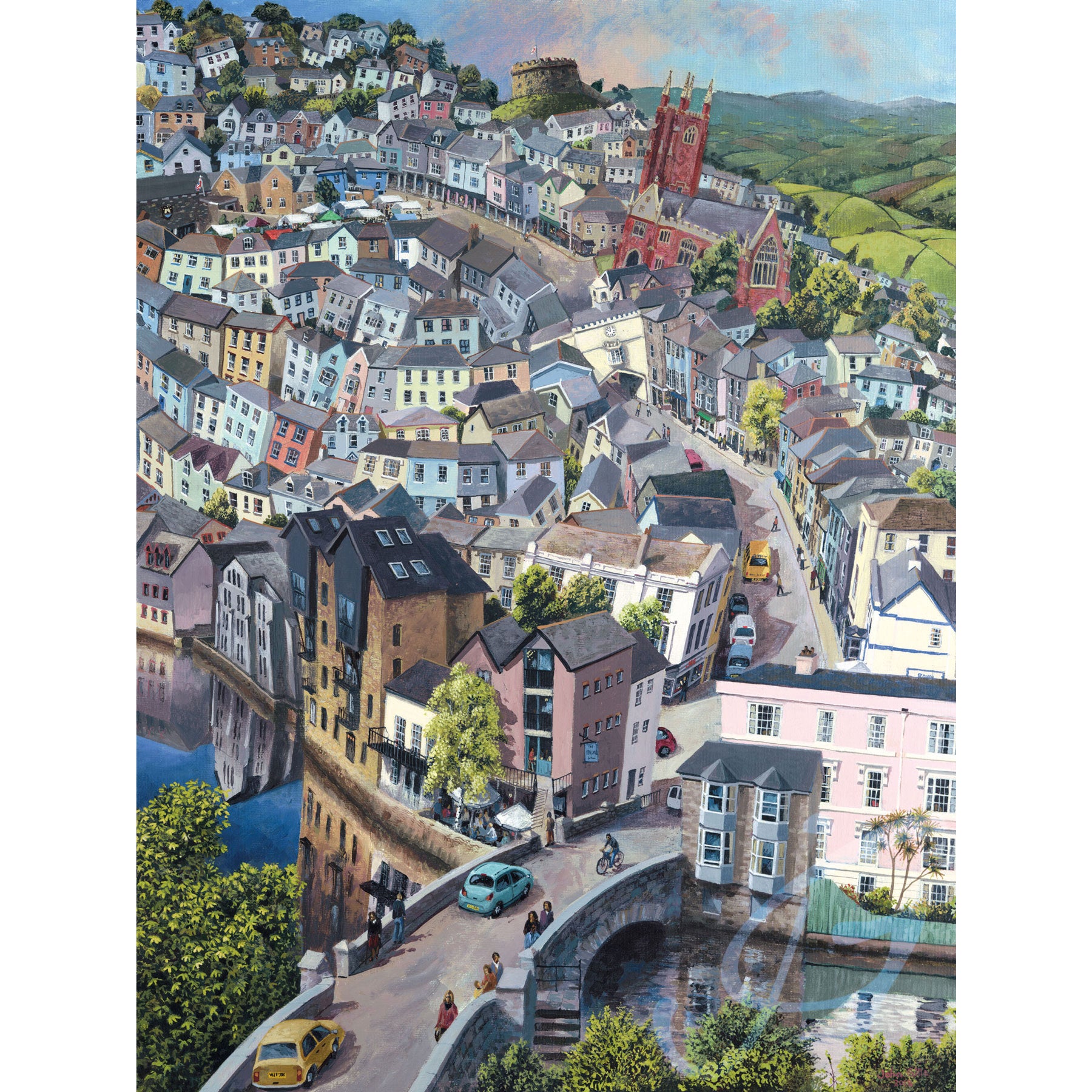
Totnes, a picturesque market town located in Devon, England, is a beacon of historical charm and cultural richness. Known for its medieval buildings, vibrant arts scene, and the River Dart running through it, Totnes offers both residents and visitors a unique blend of history and modern living. The town’s significance has grown, especially in recent years, as it serves as a hub for local businesses and sustainable living, making it an important focal point in the UK’s socio-economic landscape.
Historical Significance
The roots of Totnes can be traced back to the early medieval period, with evidence of settlement dating back to the 10th century. The town was granted its market charter in 1290, signifying its importance as a trading centre in the region. The iconic Totnes Castle, built by the Normans in the late 11th century, stands as a testament to the town’s historical fortifications and strategic significance during medieval times.
Modern-Day Totnes
Today, Totnes is not just a historical landmark; it has evolved into a thriving community known for its strong emphasis on sustainable practices and local economy. The town is a pioneer in organic and eco-friendly initiatives, famously promoting the Transition Town movement which encourages communities to become more self-sufficient and resilient in the face of climate change.
Visitors to Totnes can explore a variety of independent shops, cafes, and artisan markets that reflect the town’s commitment to local produce and craftsmanship. The annual Totnes Food Festival celebrates this ethos, bringing together local farmers and food artisans to showcase their produce, fostering a sense of community and connection to the land.
Community and Culture
Culturally, Totnes is vibrant and eclectic. The town hosts numerous festivals and events throughout the year, including the Totnes Carnival and the Totnes Music Festival, which both draw in visitors from near and far. The town is also home to the Dartington Hall Trust, an organisation dedicated to arts and education, further enriching the cultural fabric of the community.
The artistic scene in Totnes is robust, with numerous artists, musicians, and performers contributing to its identity. This creativity can be felt in the town’s galleries, studios, and performance spaces, attracting both locals and tourists.
Conclusion
As Totnes continues to blend its historical roots with modern innovations, it stands as a model for sustainable living and community-focused practices. Its historical significance, cultural vibrancy, and commitment to localism are crucial not only for preserving the identity of the town but also for influencing broader trends in community development across the UK. For those looking to experience a town where tradition meets progress, Totnes presents a compelling destination.