Introduction: The Significance of Funko
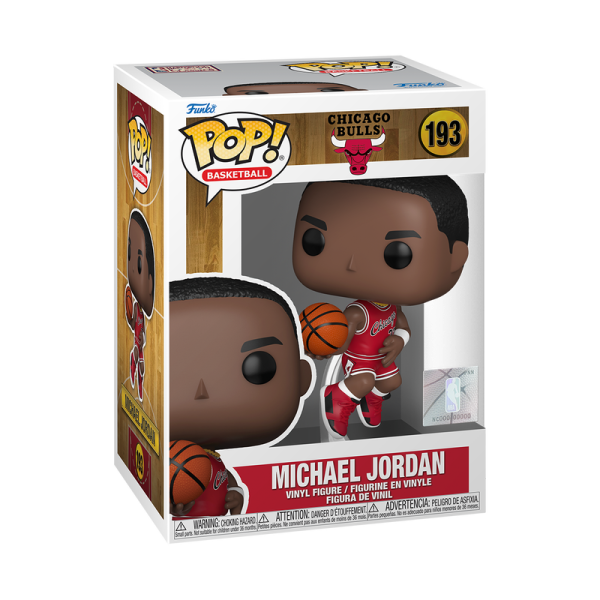
In recent years, Funko has become a household name among collectors and pop culture enthusiasts alike. Originating from a simple idea to create humorous toys, Funko has morphed into a multimillion-dollar brand that specializes in licensed figures, particularly its highly popular Pop! Vinyl line. As we delve into the world of Funko, it is essential to understand its relevance in today’s entertainment landscape and how it has reshaped collectible culture.
The Growth of Funko
Founded in 1998 by Mike Becker, Funko started as a small bobblehead company in Snohomish, Washington. However, it wasn’t until 2010 when Becker sold the company to Brian Mariotti that Funko truly took off. Mariotti’s vision led to the creation and release of the now-iconic Pop! Vinyl figures. These figures, which depict characters from various genres including movies, television, video games, and more, have become highly sought-after by fans around the globe.
As of 2023, Funko has over 1,500 unique Pop! Vinyl figures and continually expands its lineup, catering to an ever-growing base of fans. The company has not only established itself as a key player in the merchandise industry but also as a significant player at pop culture conventions like San Diego Comic-Con (SDCC) and New York Comic Con (NYCC), where exclusive figures often create a frenzy among collectors.
Impact on Collectible Culture
The impact of Funko on collectible culture is undeniable. With its diverse series, Funko has bridged generations of fans, appealing to both nostalgic adults and younger fans discovering their favourite characters. Collecting Funko figures has evolved into a social activity, with online communities forming around trading and showcasing collections. Social media platforms like Instagram and TikTok feature numerous unboxing videos and collection showcases, demonstrating the brand’s influence.
Although concerns regarding the saturation of the market have arisen, with critics claiming that the proliferation of figures leads to decreased value, it has not deterred fans. Funko continues to enjoy a thriving community that embraces diversity and inclusion, with figures representing various cultures and backgrounds.
Conclusion: The Future of Funko
As Funko progresses into 2024 and beyond, its continued relevance will likely hinge on innovation and adaptability. To remain leading in the merchandising space, the company must navigate challenges like market saturation and maintain high-quality products that appeal to evolving fandoms.
For collectors, the implications are profound. Funko’s influence can catalyse interest in various franchises, turning niche properties into mainstream sensations. Ultimately, the brand solidifies its position in collectible culture and reminds us of the joy inherent in fandom. Whether you’re an avid collector or a casual observer, the Funko phenomenon is undeniably shaping the way we celebrate our favourite characters.