Introduction
‘Lord of the Flies’, the classic adaptation of William Golding’s novel, has enthralled audiences since its release. The film’s haunting portrayal of the descent into savagery among a group of boys stranded on an uninhabited island resonates with viewers. Understanding where this iconic film was shot not only adds to the appreciation of its cinematography but also highlights the natural beauty that frames the story.
Filming Locations
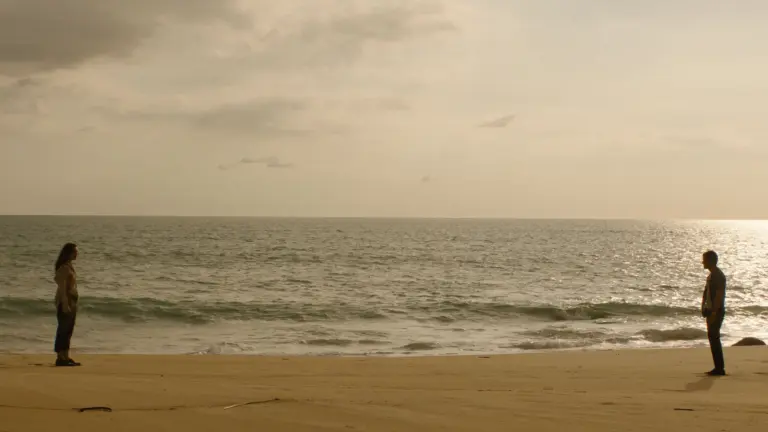
The original 1963 version of ‘Lord of the Flies’, directed by Peter Brook, was primarily filmed on location in the picturesque landscapes of Puerto Rico. The lush tropical surroundings provided an authentic backdrop that visually conveyed the isolation and primal essence of the boys’ experience. Puerto Rico’s beautiful beaches and verdant forests showcased both the allure and danger of their deserted environment.
One notable filming site was the beach known as Playa Flamenco, located on the island of Culebra. This stunning location is celebrated for its clear blue waters and white sandy shores. In contrast to the dark themes of the film, the natural vibrancy of the surroundings served as a striking visual element, highlighting the juxtaposition between idyllic beauty and the chaos that ensues.
Impact of the Locations
The choice of filming in Puerto Rico was pivotal in creating a sense of authenticity and immersion for viewers. The natural elements played a significant role in establishing the film’s atmosphere. As the boys spiraled into conflict and savagery, the serene landscape loomed large, reflecting the tragic transformation from childhood innocence to primal instinct.
In addition to the physical locations, the logistical challenges faced by the crew contributed to the film’s raw energy. Working with a group of inexperienced child actors under the sun-drenched conditions of the Caribbean helped capture genuine emotions and reactions that still resonate today.
Conclusion
While ‘Lord of the Flies’ is a story deeply rooted in themes of human nature and society, the choice of filming locations played an essential role in elevating its cinematic impact. The stunning scenery of Puerto Rico not only made for a visually striking film but also added layers to the storytelling. Today, the island continues to attract fans and filmmakers, offering a glimpse into the world that shaped this thought-provoking adaptation. For viewers, revisiting the film with knowledge of its cinematic roots enhances understanding of how environment and story intertwine, solidifying its place in film history.