Introduction
Ferencváros Football Club, based in Budapest, Hungary, holds a significant position in the world of football. Founded in 1899, it is widely regarded as Hungary’s most successful football team, with a vibrant history and a loyal supporter base. The club’s achievements not only resonate within Hungary but also on the European stage, making it a crucial part of Hungary’s sports heritage.
Club History and Achievements
Ferencváros started as a club for local workers and quickly evolved into a powerful football institution. Over the years, they have claimed numerous national titles, with more than 30 Hungarian League championships to their name. The team also established a strong reputation in the domestic cup competitions, winning the Magyar Kupa several times.
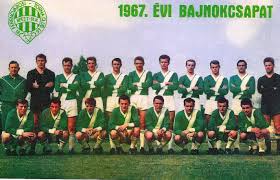
Globally, Ferencváros made history in 1965 when they became the first Hungarian team to reach the finals of the European Cup Winners’ Cup, although they did not secure the title. They continued to make strides in European football throughout the decades, evidenced by their persistent appearances in UEFA competitions, including the UEFA Champions League and Europa League.
Recent Developments
In recent years, Ferencváros has enjoyed a resurgent era, winning multiple consecutive league titles and proudly representing Hungarian football on the European stage. The 2020-2021 season marked a highlight when they secured a spot in the UEFA Champions League group stage for the first time in 25 years. The team played illustrious matches against top European clubs, gaining vital experience and recognition.
Fan Culture and Community Involvement
The dedication of Ferencváros’ supporters is unparalleled. Known as ‘Fradi’, the fan community is one of the most passionate in Hungary, contributing to the electrifying atmosphere at the group’s home ground, the Groupama Arena. The club also engages with the community through various initiatives, supporting youth development programmes and promoting sports among local communities.
Conclusion
Ferencváros Football Club stands as a symbol of pride for its followers and Hungarian football as a whole. With its rich history, recent successes, and strong community ties, the club is not only a pivotal entity in the realm of sports but also a source of inspiration for future generations. As they continue to compete on both national and international fronts, the prospects for Ferencváros remain bright, and its legacy will undoubtedly pave the way for future accomplishments in the world of football.